
Erophaca baetica
Erophaca baetica
Description
Growing requirements
Erophaca baetica is a perennial subshrub belonging to the Fabaceae family. This species is native to the Western Mediterranean basin and is well-adapted to the harsh ecological conditions typical of semi-arid coastal and mountainous landscapes.
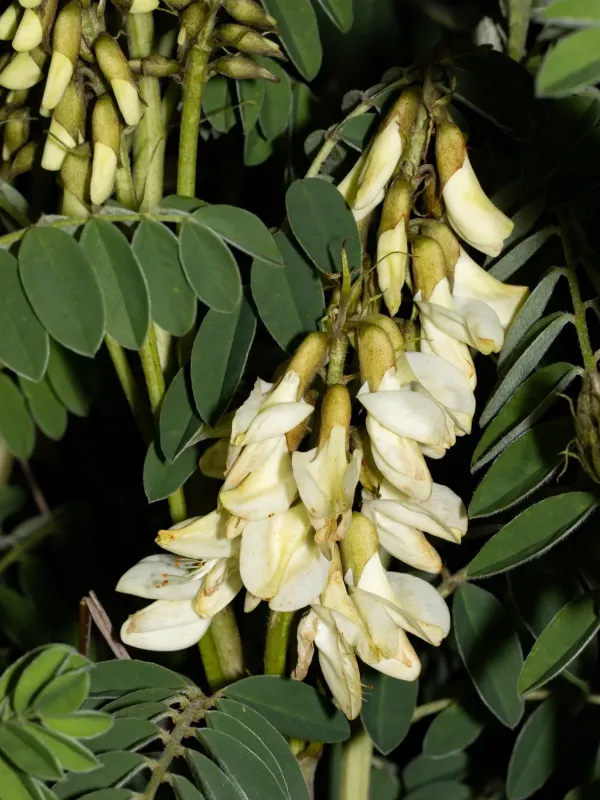
The botanical structure of this plant features a robust root system, which is an essential adaptation for survival in nutrient-poor and rocky substrates. Its foliage is pinnate, and it produces white or cream-colored flowers that follow the classic structure characteristic of the legume family.
Regarding climatic requirements, the plant thrives in environments characterized by mild, wet winters and hot, dry summers. It shows remarkable tolerance to drought, making it a potential candidate for revegetation projects in areas where irrigation is not feasible.
The soil preference of Erophaca baetica leans towards well-drained, lime-rich, or alkaline soils. It is highly efficient in its nutrient uptake, largely due to its symbiotic relationship with rhizobia bacteria, which enhance nitrogen fixation in the root zone.
In terms of agricultural and ecological utility, this species is frequently utilized for soil stabilization and landscape restoration efforts. By improving soil structure and increasing nitrogen content, it plays a vital role in natural succession and the maintenance of degraded agricultural lands.