
Dyer's Broom
Genista sessilifolia
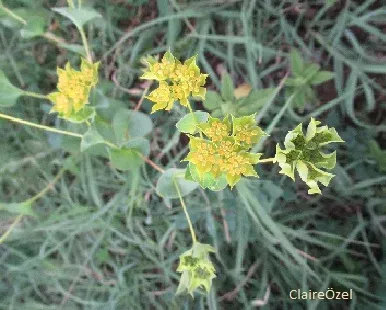
Description
Sowing dates
The sowing of Genista sessilifolia is best performed in early spring once the risk of frost has passed, ensuring the soil has warmed up sufficiently for germination.
Seeds should be pre-treated by scarification to break their dormancy, as the hard seed coat can prevent moisture absorption and delay growth.
When planting, ensure a spacing of at least 50 centimeters between individual plants to accommodate the shrub's natural lateral growth.
It is recommended to sow seeds at a depth of approximately 2 centimeters in a well-drained, porous soil mixture to facilitate healthy root development.
In temperate climates, autumn sowing is also feasible, allowing for natural stratification of the seeds during the winter months.
Growing requirements
This species is a member of the Fabaceae family, adapted to survive in nitrogen-poor environments due to its ability to fix atmospheric nitrogen.
Dyer's broom thrives in full sun exposure and requires excellent soil drainage to prevent the development of root rot and other moisture-related issues.
It is highly drought-tolerant, making it an excellent candidate for xeriscaping, slope stabilization, and reclamation of degraded agricultural lands.
The plant prefers slightly alkaline or neutral soil types, including sandy or gravelly textures that mimic its natural wild habitats.
Minimal maintenance is required regarding fertilization, as the plant is well-adapted to surviving on low-nutrient substrates without supplemental feeding.
Yield
While not a traditional food crop, the yield of this plant is measured in terms of biomass production for soil improvement or nectar output for pollinators.
As a notable honey-producing shrub, it provides a consistent resource for apiaries located in regions where the plant grows in abundance.
The longevity of the shrub allows for a stable and recurring seasonal yield of flowers, contributing to the local ecosystem's stability and productivity.
Harvesting for ornamental use involves pruning mature stems, which encourages denser branching and increases the floral yield for subsequent years.
Strategic planting density directly correlates with the total biomass yield per hectare, making it a reliable choice for erosion control projects.
Main diseases and pests
Powdery mildew is the most common fungal issue, particularly in humid or stagnant air conditions where the leaves do not dry quickly after rain.
Aphid infestations can occur during the active growth phase, targeting tender shoots and potentially reducing the plant's overall vigor and aesthetic value.
Root pathogens associated with excessive soil moisture are a significant threat that can lead to rapid wilting and plant mortality in poorly drained areas.
Weed competition in the early seedling stage can inhibit development, requiring manual weeding or mulching until the shrub establishes a robust root system.
Regular monitoring for leaf-chewing insects is essential to maintain plant health, especially during the peak emergence of local pest populations in late spring.