
Dunbaria villosa
Dunbaria villosa
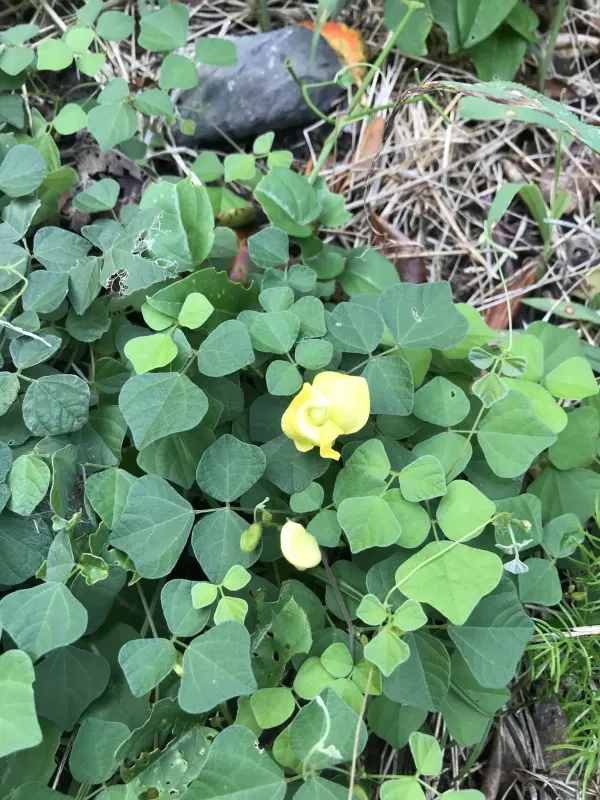
Description
Sowing dates
Dunbaria villosa is a perennial herbaceous legume that thrives in warm climates, typically requiring stable temperatures for germination and early stage establishment.
The sowing process begins in spring, ensuring the soil is sufficiently warmed; this provides the necessary thermal conditions for the seeds to develop robust root systems quickly.
To improve germination rates, scarifying seeds is often recommended as it allows moisture to penetrate the hard outer coat more effectively in various soil types.
Planting depth is crucial and should be managed carefully to ensure the seedlings emerge reliably without exhausting their internal energy reserves during germination.
Uniform distribution of seeds is achieved through precise drilling techniques, which helps maintain the optimal density for maximizing the forage or green manure yield.
Growing requirements
This legume is highly adaptable to various soil conditions, demonstrating an impressive ability to thrive in poor soils thanks to its nitrogen-fixing capabilities.
Well-drained soil is a primary requirement for the healthy growth of Dunbaria villosa, as standing water and excessive soil moisture are detrimental to its root system.
The plant performs best under full sunlight, although it can tolerate partial shade; however, reduced light levels may significantly impact the overall biomass production.
Temperature management is critical; the species is sensitive to frost and performs best in environments where consistent warmth supports long-term vegetative growth.
While the plant shows some drought tolerance once established, irrigation during the initial vegetative stages will lead to much more productive and vigorous plant stands.
Main diseases and pests
Common agricultural threats include root-rot diseases, especially in soils with poor drainage, which can severely compromise the plant's structural integrity.
Pests such as pod borers and aphids represent a significant challenge as they can feed on the tender parts of the plant and reduce the quantity of harvested seeds.
Management practices, including strict crop rotation cycles, are essential to prevent the accumulation of soil-borne pathogens that target the Fabaceae family.
Mechanical weed control is generally effective during the first few weeks of growth, giving the seedlings enough space and nutrients to outcompete weeds later on.
Integrated pest management strategies focusing on monitoring the insect population levels are highly recommended to keep the crop healthy throughout the season.