
Dolichos trilobus
Dolichos trilobus
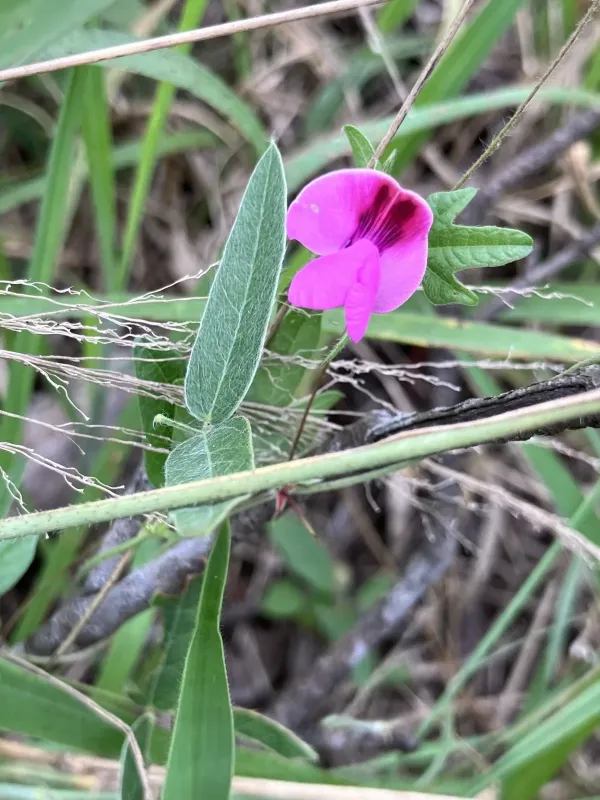
Description
Sowing dates
Dolichos trilobus is a heat-demanding crop, so sowing should be performed only when the soil temperature consistently reaches at least 15-18 degrees Celsius.
The optimal sowing period usually occurs in late spring, ensuring the young seedlings are protected from late frost events common in early spring.
Standard agronomic practice involves row seeding with specific spacing to allow for the development of sprawling vines, which is a characteristic feature of this species.
Seeds are generally sown at a depth of 3-5 centimeters, ensuring a balance between moisture access and the energy required for successful emergence.
Seedbed preparation should focus on achieving a fine, crumbly tilth to facilitate deep root penetration and initial establishment of the legume crop.
Growing requirements
As a member of the Fabaceae family, this plant thrives best in fertile, well-drained loamy soils with a near-neutral pH level for optimal microbial activity.
The plant requires full sun exposure to maximize photosynthetic output, as shaded conditions typically result in reduced biomass and poor seed set.
Dolichos trilobus is well-adapted to warm climates, showing high growth rates during periods of sustained summer heat and sunlight intensity.
Soil management should ensure that nitrogen-fixing bacteria can effectively colonize the roots, which necessitates avoiding excessive synthetic nitrogen application.
The species possesses significant drought tolerance compared to many other legumes, making it a robust option for areas with seasonal rainfall patterns.
Harvesting
Harvesting for green mass is typically performed during the early flowering stage to ensure the highest protein content and nutritional value of the foliage.
If the objective is seed production, harvest is delayed until the pods become dry and change color, indicating physiological maturity of the seeds.
Mechanical harvesting requires careful adjustment of equipment to minimize seed shattering losses, as the pods can be prone to opening when over-dried.
Post-harvest handling involves drying the seeds to a safe moisture content to prevent fungal growth and maintain viability for future planting cycles.
Efficient management of the harvesting process ensures both the preservation of nutritional qualities for feed and the high germination rate of the seeds.