
Dolichos falciformis
Dolichos falciformis
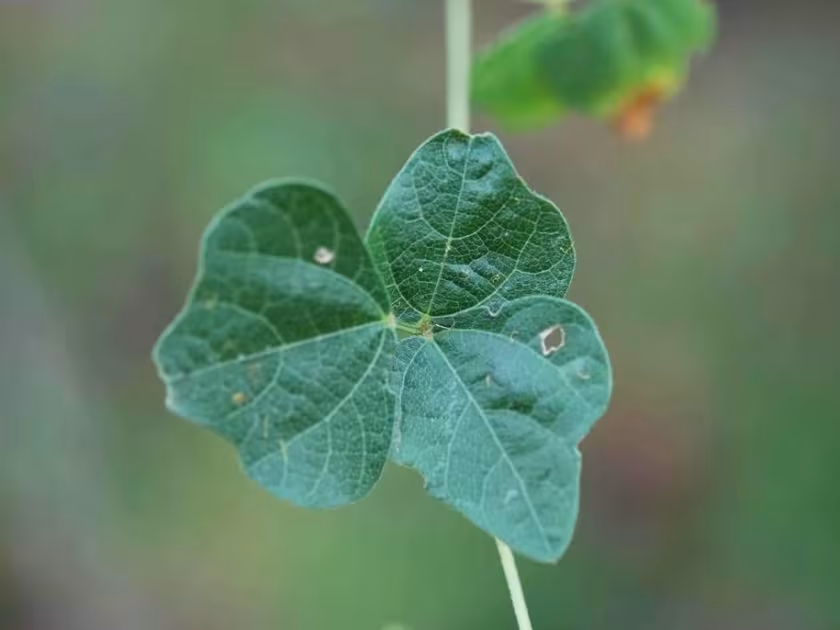
Description
Sowing dates
Dolichos falciformis is a heat-loving crop; therefore, it should be sown only when the soil temperature at the seeding depth reaches 15–18 degrees Celsius.
The optimal planting window typically occurs in late spring or early summer, ensuring that all risks of nocturnal frost have completely passed.
Seeds are sown in rows, maintaining a spacing of 45 to 60 centimeters to provide adequate space for the development of robust vegetative biomass.
The seeding depth is set between 3 and 5 centimeters, depending on the soil structure, with deeper planting recommended for lighter, sandy soil types.
When grown for green fodder or hay, seeding rates are increased to produce a denser canopy, which naturally suppresses weed growth during the early stages.
Growing requirements
This legume species is highly demanding regarding solar exposure and requires full sunlight throughout its entire growth and development cycle.
Dolichos falciformis thrives in fertile loamy or sandy loam soils with a neutral to slightly acidic pH, provided they have excellent aeration and drainage.
While the plant shows moderate drought tolerance, it requires consistent moisture during the critical flowering and pod-filling phases to reach peak productivity.
The crop enters a beneficial symbiosis with nitrogen-fixing bacteria, which helps enrich the soil with atmospheric nitrogen and reduces the need for synthetic fertilizers.
Adequate support structures are often necessary for vining varieties, ensuring that the foliage receives optimal light and air circulation for healthy growth.
Yield
The yield of green biomass for Dolichos falciformis depends significantly on soil fertility levels and the availability of water during the growing season.
Under favorable growing conditions, the crop produces a substantial volume of vegetative mass, which serves as a high-quality ingredient for livestock silage.
Seed yields remain consistently high, enabling farmers to maintain their own supply of planting material for subsequent agricultural cycles.
Strategic application of phosphorus and potassium-based fertilizers can significantly boost pod yield and improve the nutritional value of the harvested material.
With modern intensive farming practices, this crop delivers stable results, making it a reliable choice compared to many other pulse varieties.
Main diseases and pests
Soil-dwelling pests, such as wireworms, pose a primary threat to young seedlings by damaging the developing sprouts during the initial stages of establishment.
High humidity and poor air circulation within the canopy can encourage fungal infections, leading to leaf spots or powdery mildew on the plant tissue.
Aphids are common pests that feed on plant sap, which can cause significant deformation of young shoots and lead to a reduction in total crop vitality.
Effective management involves strict crop rotation practices, ensuring that legumes are not planted in the same field more than once every three or four years.
Using disease-resistant varieties and applying environmentally friendly bio-pesticides allows farmers to effectively control pest populations without disrupting ecosystems.
Harvesting
Harvesting for green fodder is recommended at the onset of flowering, as the plant is at its peak nutritional value with high protein content for livestock.
When cultivating for seed, the harvest should commence once the pods have fully matured and the lower leaves have begun to dry naturally on the stalks.
Technical harvest is performed using agricultural combines, requiring careful adjustment of threshing parameters to prevent physical damage to the seeds.
Post-harvest handling is critical; seeds must be cleaned and dried thoroughly to prevent spoilage or mold growth during long-term storage periods.
Proper timing of the harvest is essential for maintaining high quality, ensuring the product meets the demands of the modern animal feed industry.