
Dolichos dinklagei
Dolichos dinklagei
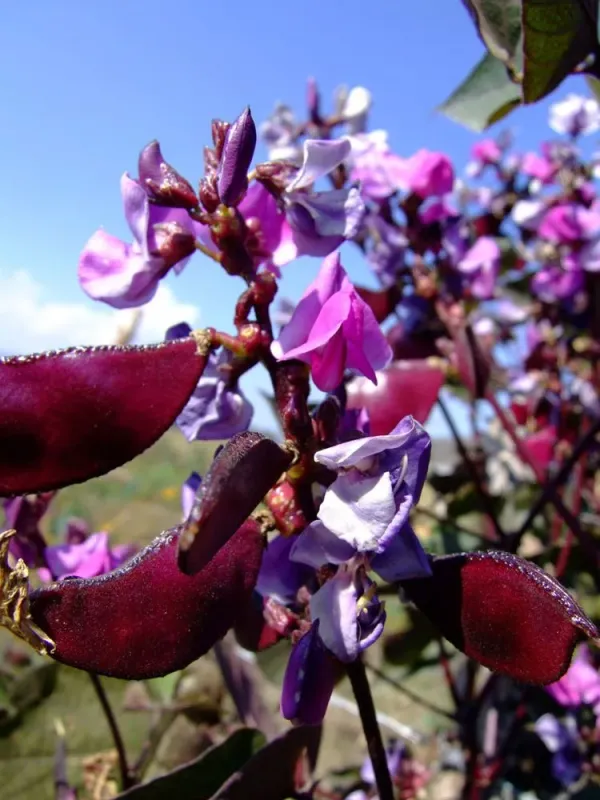
Description
Sowing dates
Dolichos dinklagei is a herbaceous perennial vine belonging to the Fabaceae family. As a tropical plant, its cultivation requires specific attention to temperature stability and soil preparation to ensure successful germination and early stage establishment.
Sowing should be synchronized with the onset of the warm season or the rainy season in tropical climates. The seeds require consistent soil temperatures of at least 22 degrees Celsius to break dormancy and initiate the germination process successfully.
When planting, seeds should be placed at a depth of 3 to 5 centimeters. This depth provides sufficient moisture retention for the seed while allowing the seedling to emerge without excessive energy expenditure.
Pre-sowing treatments, such as soaking seeds in water for several hours, can significantly improve germination uniformity. This practice helps soften the seed coat and accelerates the metabolic processes necessary for the emergence of the primary root and hypocotyl.
Row spacing should be planned considering the climbing nature of the plant. Installing trellises or supports immediately after emergence is essential to prevent the vines from matting on the ground, which would increase the risk of disease and complicate field management.
Growing requirements
The plant thrives in regions with tropical to subtropical climates. It is highly sensitive to frost, which will damage or destroy the entire vine, making it unsuitable for cultivation in temperate zones without significant greenhouse protection.
Soil requirements are centered on excellent drainage and aeration. Dolichos dinklagei performs best in well-drained loam or sandy soil rich in organic matter, which prevents water stagnation around the root zone.
Light availability is paramount for healthy growth. Being a heliophilic species, it requires direct exposure to sunlight for most of the day. Partial shade can lead to leggy, unproductive growth and a significant reduction in the development of pods.
Watering management should be tailored to the plant's growth stage. While established plants show some drought tolerance, consistent moisture is required during flowering and pod development to ensure optimal yields of fruit or biomass.
Nutrient management focuses on phosphorus and potassium to support blooming and vigor. Nitrogen fertilization is usually secondary, as these legumes form symbiotic relationships with rhizobia bacteria, allowing them to fix atmospheric nitrogen for their own use.
Main diseases and pests
Common agricultural pests affecting this species include aphids and spider mites. These pests typically colonize the underside of leaves and tender stems, feeding on plant sap and potentially transmitting viral pathogens that stunt growth.
Fungal diseases are major threats in humid environments, with powdery mildew and anthracnose being the most prevalent. These pathogens thrive when air circulation is poor and humidity levels remain high for extended periods.
Root rot, often caused by Fusarium or Phytophthora species, is a critical issue usually linked to waterlogged soils or excessive irrigation. Improving soil structure and avoiding over-watering are the primary defensive strategies against these infections.
Integrated Pest Management (IPM) is highly recommended. This includes regular field scouting to detect early infestations, mechanical removal of diseased plant parts, and the application of biological control agents where necessary.
Strict adherence to crop rotation cycles is vital to prevent the buildup of soil-borne pathogens and pests specific to the Fabaceae family. Moving the crop to a different field location every 2–3 years helps maintain soil health and productivity.