
Dimorphandra wilsonii
Dimorphandra wilsonii
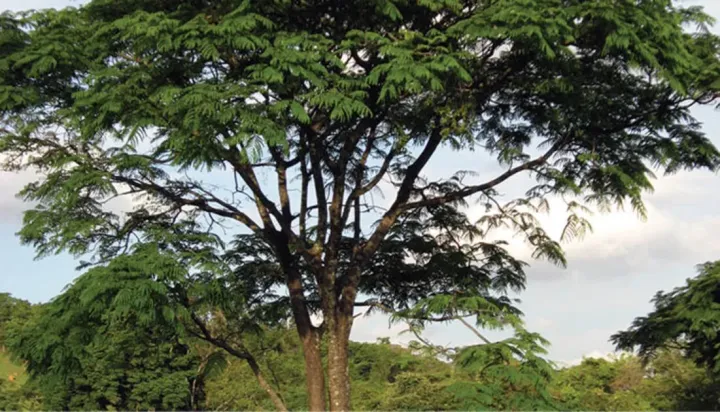
Description
Growing requirements
Dimorphandra wilsonii is a rare tree species belonging to the Fabaceae family, endemic to specific regions in Brazil. It is highly regarded by botanists for its unique biological adaptation to tropical ecosystems characterized by nutrient-poor soils and seasonal climate variations.
The plant thrives in well-drained sandy or loamy soils, common in the transition zones of Brazilian forests. It requires consistent tropical temperatures and a balance of air humidity to successfully establish its root system during the early years of growth, which is known to be slow.
Botanically, the species features compound pinnate leaves and distinctive inflorescences that attract specialized pollinators. Its wood structure is dense, an evolutionary trait that allows it to withstand the high solar radiation and occasional drought conditions found in its native habitat.
As this species is currently considered rare and threatened, there are no established commercial agricultural practices for its cultivation. Conservation efforts are primarily focused on preserving genetic diversity and understanding its germination requirements in controlled greenhouse settings.
The ecological significance of Dimorphandra wilsonii is immense. It provides essential habitat and resources for local fauna. While it does not serve a direct agricultural function in modern farming, its role as a key forest species is crucial for maintaining the environmental integrity of its native territory.
Main diseases and pests
The primary threat to the survival of Dimorphandra wilsonii is habitat loss caused by deforestation and land conversion for industrial purposes. This environmental fragmentation prevents natural pollination cycles and reduces the resilience of the existing tree population.
The species is highly susceptible to fungal infections in the roots, particularly when the drainage of the soil is compromised. Excessive soil saturation often leads to root rot, which is a lethal condition for young specimens that have not yet developed a robust defense mechanism.
Insects, such as wood-boring beetles and specialized leaf-eating larvae, present a significant threat, especially when trees are under environmental stress. These pests can cause severe damage that the plant struggles to overcome in the absence of favorable growth conditions.
The lack of genetic variation in isolated populations makes the species vulnerable to emerging pathogens. New diseases introduced into the ecosystem can spread rapidly, as the trees lack the evolutionary immunity developed through long-term exposure to diverse microbial communities.
Active conservation management involves strict protection of current habitats and continuous monitoring of tree health. Efforts also include managing forest fire risks and controlling invasive plant species that compete with Dimorphandra wilsonii for space, sunlight, and underground water resources.