
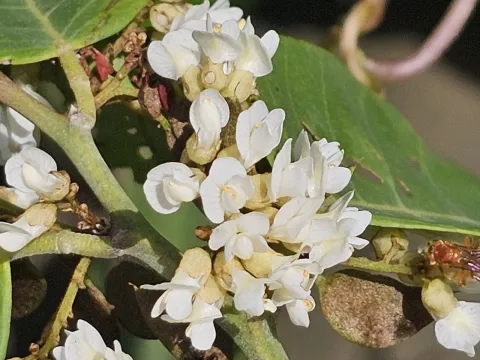
Dalbergia
Dalbergia L. f.
Dalbergia (Dalbergia L. f.) is a significant genus of trees and shrubs belonging to the Fabaceae (legume) family. Native to tropical and subtropical regions across the globe, these plants are renowned for their high-quality wood.
What the section contains
 Brazilian Rosewood
Dalbergia nigra (Vell.) Allemão ex Benth.
Brazilian Rosewood
Dalbergia nigra (Vell.) Allemão ex Benth.
 Cocobolo
Dalbergia retusa Hemsl.
Cocobolo
Dalbergia retusa Hemsl.
 Dalbergia baronii
 Baker
Dalbergia baronii
Dalbergia baronii Baker
 Dalbergia latifolia
 Roxb.
Dalbergia latifolia
Dalbergia latifolia Roxb.
 Dalbergia sissoo
 Roxb. ex DC.
Dalbergia sissoo
Dalbergia sissoo Roxb. ex DC.
 Dalbergia stevensonii
 Standl.
Dalbergia stevensonii
Dalbergia stevensonii Standl.
 Dalbergia trichocarpa
 Baker
Dalbergia trichocarpa
Dalbergia trichocarpa Baker
Dalbergia
The climate requirements for Dalbergia involve a warm, tropical environment with high humidity and consistent annual temperatures. They generally do not tolerate frost, making them suitable only for specific zones where climate conditions remain mild throughout the year.
For soil health, Dalbergia prefers well-drained, fertile substrates that allow for deep root penetration. While they can adapt to various soil types, waterlogging must be avoided to prevent root rot and ensure vigorous development of the trunk.
Agrotechnical management includes systematic pruning to encourage vertical growth and the development of straight trunks, which increases the commercial value of the timber. Weed control is essential during the early stages of tree development to reduce competition for nutrients.
These trees contribute to nitrogen fixation in the soil, which is a biological characteristic common to many legumes. This trait helps improve overall soil health in plantation settings, reducing the need for intensive synthetic fertilization.
Dalbergia plantations can be susceptible to various fungal pathogens and insect infestations that target the bark and vascular system. Regular monitoring of trees is necessary to identify early symptoms of disease and implement localized phytosanitary measures.
Pests, such as wood-boring insects, represent a significant threat to the quality of the harvested wood. Integrated pest management strategies are often employed to minimize damage to the sapwood and heartwood of the developing trees.
Root system diseases are frequently associated with poor drainage conditions. Ensuring that the site of cultivation has adequate soil drainage is the most effective preventative measure against these types of health issues.
Environmental stress, such as prolonged drought or extreme soil salinity, can weaken the trees and make them more vulnerable to secondary infections. Maintaining optimal moisture levels is key to tree vigor.
- Monitor for leaf spots and stem rot.
- Implement quarantine for new seedlings to prevent the spread of pests.
- Use professional thinning techniques to promote airflow within the plantation.
The primary economic focus of Dalbergia cultivation is the production of premium timber, widely recognized as rosewood. Its high density, beautiful grain patterns, and acoustic properties make it highly sought after in luxury woodworking industries.
Harvesting cycles are typically long-term, spanning several decades, reflecting the slow growth rate of species that produce high-quality heartwood. Sustainable planning is crucial for plantation management to ensure future supply.
After felling, the timber undergoes a controlled seasoning process. This stage is vital to stabilize the wood, reducing its moisture content to levels appropriate for international trade and professional manufacturing.
The manufactured products range from artisanal furniture and cabinets to specialized musical instruments. The demand for sustainably sourced rosewood continues to grow as global regulations tighten around forest conservation.
Beyond timber, ongoing research explores other potential uses of Dalbergia, including the extraction of medicinal compounds, further highlighting the versatility of this genus in modern agriculture and industry.