
Dalbergia cochinchinensis
Dalbergia cochinchinensis
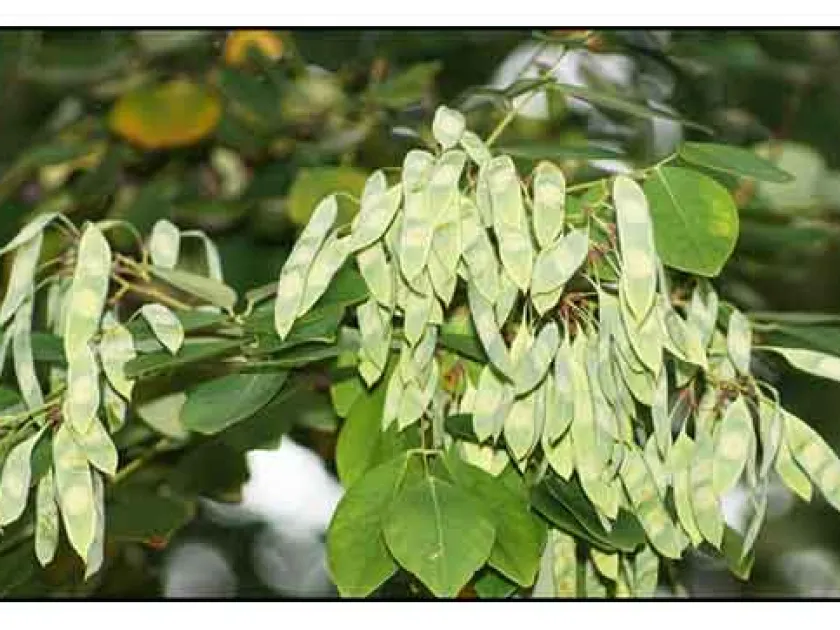
Description
Growing requirements
Dalbergia cochinchinensis is a prominent species within the Fabaceae family, globally recognized for producing Siamese rosewood. It is a slow-growing deciduous tree that can reach heights of up to 25 meters, characterized by its dense and high-density heartwood.
The tree is native to the tropical regions of Southeast Asia, specifically inhabiting deciduous forests in Thailand, Laos, Cambodia, and Vietnam. It occupies a niche in habitats where the climate is characterized by distinct wet and dry seasons, typically in hilly terrain.
Soil requirements for this species include well-drained, fertile substrates. It thrives best on loamy soils with good aeration; the species is highly intolerant to waterlogging, which often leads to root rot and stunted development in plantation environments.
As a heliophilous species, it requires direct exposure to sunlight to reach its full growth potential. While tolerant of high temperatures, it requires a stable tropical environment without frost, as the physiological mechanisms of the tree are not adapted to cold climate conditions.
Cultivation practices involve selecting high-quality seedlings and ensuring systematic spacing to maximize sunlight penetration. Due to its slow growth rate, the rotation cycle for timber production is extensive, often requiring intensive management in the first decade of establishment.
Main diseases and pests
The species is susceptible to various fungal pathogens that affect root health, especially under suboptimal moisture conditions. Additionally, stem-boring insects present a persistent threat to mature trees, potentially degrading the quality of the valuable timber throughout the growth cycle.
Harvesting
The harvesting of this species is strictly regulated due to its status as an endangered timber resource. When cultivated, the heartwood is harvested only when the tree reaches maturity, which often requires several decades, ensuring the timber has attained its characteristic density and color.