
Cocobolo
Dalbergia retusa Hemsl.
Description
Growing requirements
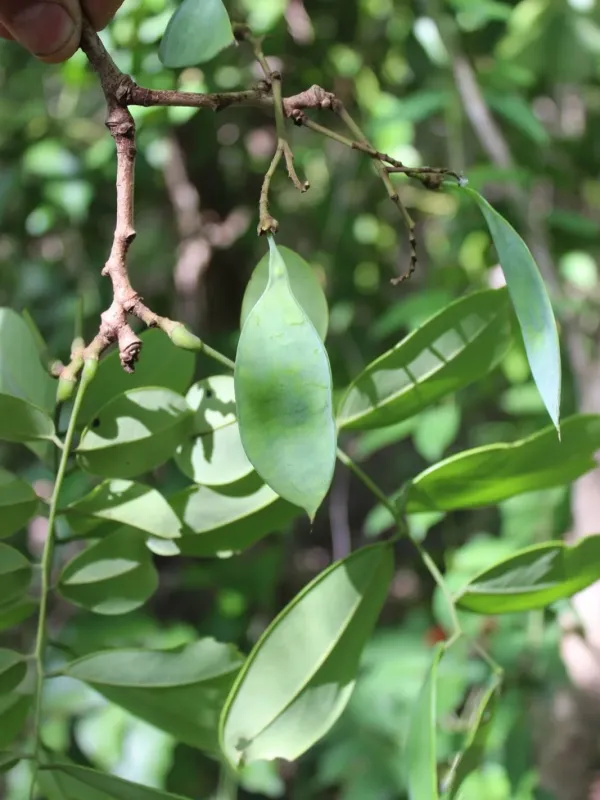
Dalbergia retusa, commonly known as Cocobolo, is a species of flowering tree in the pea family, Fabaceae. Native to Central America, it is highly valued for its dense, colorful, and naturally oily timber, which is among the most sought-after exotic woods globally.
The tree thrives in tropical climates characterized by high temperatures and distinct wet and dry seasons. It requires well-drained soil and typically performs best on rocky or clay-based terrains where water logging is avoided to prevent root diseases.
Agricultural management of this species involves selecting sites with abundant sun exposure, as it is highly photophilous. Proper soil drainage and aeration are critical factors that directly influence the development of the tree's dense heartwood.
Young seedlings require significant care, including regular weed control and protection from animal browsing. The slow growth rate of the species demands a long-term commitment to silvicultural practices to ensure the trees reach their maturity.
In terms of climate requirements, Cocobolo is resilient to drought once established. However, during the nursery stage, controlled irrigation is essential to support the initial root system development and biomass accumulation before field transplanting.
Harvesting
The primary economic focus of Dalbergia retusa is the production of high-quality timber used in musical instruments, fine furniture, and premium cutlery handles. The wood is renowned for its strength, decay resistance, and vibrant natural colors.
Harvesting is a long-term agricultural endeavor, often taking several decades for trees to reach commercial viability. Sustainable harvesting techniques are crucial to maintain ecological balance and comply with international trade regulations regarding exotic wood species.
After felling, the timber must undergo a careful seasoning process to prevent warping, given the wood's high density and oil content. Professional drying methods are used to stabilize the moisture levels before the wood is ready for industrial use.
Market demand for Cocobolo remains consistently high due to its unique aesthetic qualities. Industrial processing involves precise cutting to maximize the yield from the heartwood, which provides the most desirable colors and durability for high-end applications.
Modern plantations emphasize sustainable reforestation efforts, replanting seedlings for every harvested tree to ensure the longevity of the industry. This balance of harvesting and forest management is essential for the future of commercial Cocobolo production.