
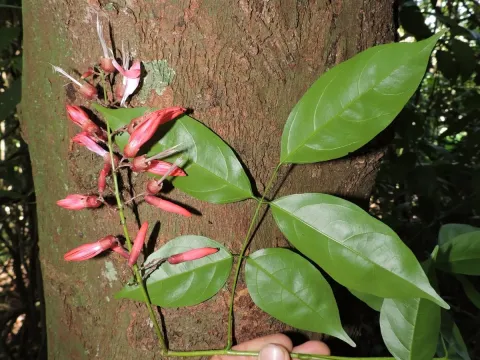
Dahlstedtia
Dahlstedtia
Dahlstedtia is a genus of plants belonging to the Fabaceae family, native to tropical regions of South America. These shrubs are primarily studied and utilized for their natural accumulation of rotenoids, which possess potent insecticidal and piscicidal properties.
What the section contains


Dahlstedtia
The cultivation of Dahlstedtia requires a tropical environment characterized by high humidity and warm temperatures ranging from 22 to 30 degrees Celsius. They thrive in well-drained, nutrient-rich soils that support the development of a robust and healthy root system.
Botanically, the plant is distinguished by its pinnate leaves and specialized flowers typical of the bean family. Successful farming depends on providing adequate sunlight, as shade-grown specimens often show lower concentrations of their active botanical ingredients.
Economically, this culture is highly valued for the extraction of rotenone. This compound serves as an environmentally friendly alternative to synthetic chemical pesticides, making the plant a target for sustainable agricultural research and organic farming practices.
Agricultural management involves regular weeding and soil aeration to maintain optimal root health. While the plant is hardy, it benefits from moderate organic fertilization during the early stages of establishment to ensure consistent growth and yield of biomass.
The primary threats to Dahlstedtia plantations include various fungal pathogens that thrive in high-moisture conditions. Root rot and damping-off are the most frequent diseases, often triggered by poor field drainage or extended periods of heavy rainfall.
Insect pests such as leaf-eating caterpillars and certain coleopteran species can significantly reduce biomass yield. Despite the presence of natural toxins in the plant, young seedlings remain susceptible to various pests during the initial growing season.
Disease management focuses on preventive measures, including proper spacing to ensure adequate air circulation and careful selection of planting sites. Sites with a history of leguminous crop failure due to soil-borne pathogens should be avoided entirely.
Integrated pest management (IPM) strategies are recommended to maintain plant health. This includes the encouragement of natural predators and the manual removal of pests to avoid the disruption of the natural chemical balance within the leaves and roots.
Monitoring for signs of stress or pathogen infection should be continuous. If disease outbreaks occur, immediate removal and destruction of affected parts are necessary to protect the remaining crop and ensure the overall health of the agricultural plot.