
Dalbergia baronii
Dalbergia baronii Baker
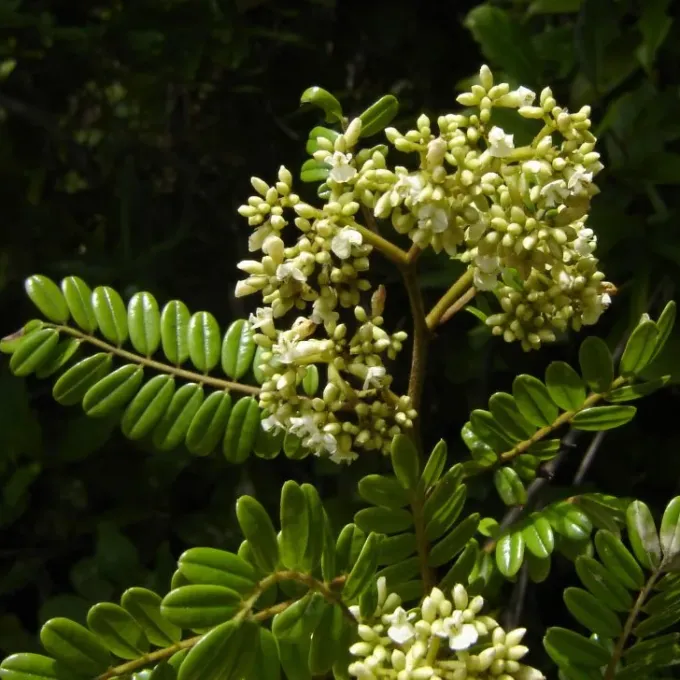
Description
Growing requirements
Dalbergia baronii, a member of the Fabaceae family, is a slow-growing tropical hardwood tree indigenous to the eastern rainforests of Madagascar. It is highly valued for its dense, dark, and oily timber, widely known in trade as Madagascar rosewood.
The species requires a humid tropical climate with consistent temperatures and significant annual rainfall. It thrives in well-drained, nutrient-rich soils and is sensitive to waterlogged conditions, which can lead to root rot during the seedling stage.
Cultivation practices involve selecting sites that mimic the natural canopy environment. While mature trees prefer full sun for optimal development, young saplings often benefit from partial shade to protect them from excessive evaporation and direct, harsh sunlight.
Propagation is typically done via seeds, which require careful handling and often scarification to ensure uniform germination rates. Nursery management is critical, as seedlings are vulnerable to environmental stress during the first two years of their growth cycle.
The agronomic management includes weeding and mulching around the base of the trees to maintain soil moisture levels and prevent nutrient competition. Proper soil preparation and, if necessary, localized fertilization can significantly improve establishment success.
Main diseases and pests
Common threats to Dalbergia baronii include various wood-boring insects that target weakened or unhealthy individuals. Regular monitoring is essential to prevent infestations from spreading through a plantation, especially during the dry season.
Fungal diseases affecting the leaves or roots can occur if humidity levels are too high or air circulation is poor within dense plantings. Proper spacing of trees is a key management strategy to mitigate the spread of such pathogens.
Herbivory by local wildlife can also damage young shoots, requiring the use of protective netting or fencing in areas where wildlife populations are high. Protecting the trees during the vulnerable juvenile stage is crucial for ensuring survival rates.
Climate change and habitat degradation remain the most significant long-term threats to the wild populations of this species. Modern cultivation must therefore focus on building resilient, sustainable plantation environments that minimize these environmental risks.
Integrated pest management (IPM) is recommended to maintain the health of the trees without relying heavily on chemical pesticides, which may not be suitable for long-term timber production environments or surrounding ecosystems.
Harvesting
Harvesting Dalbergia baronii is a long-term endeavor, as the tree requires many decades to reach a diameter suitable for high-quality timber production. The goal is to obtain straight, heartwood-rich logs that meet market standards for luxury furniture and instruments.
Sustainable harvesting practices are paramount, given the international conservation status of this species. Thinning operations are often performed to promote the growth of the healthiest specimens, ensuring that the remaining stand gains diameter efficiently.
After felling, the timber must be carefully seasoned to prevent cracking and warping. The wood's high density and oil content make it durable, but proper drying is essential to realize its full aesthetic and structural potential in finished products.
Compliance with international trade regulations, such as CITES, is mandatory for any harvest. Documentation and traceability systems are now standard, ensuring that the timber is sourced from legally established and managed plantations.
The future of Dalbergia baronii production lies in balancing the intense demand for high-end rosewood with the ecological necessity of forest conservation and responsible harvesting methods.