
Dalbergia cearensis
Dalbergia cearensis
Description
Growing requirements
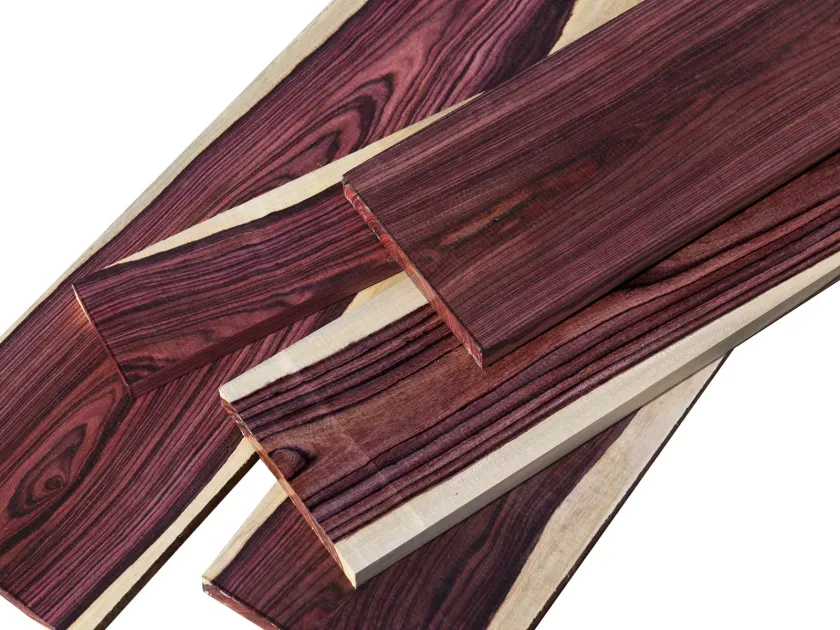
Dalbergia cearensis, commonly known as Kingwood, is a species of flowering plant in the Fabaceae family. Native to the dry forests of northeastern Brazil, this tree is highly valued for its dense, dark-colored wood used in fine cabinetry and musical instruments.
The cultivation of this species requires a tropical climate with high temperatures throughout the year. It does not tolerate frost, and even minor temperature drops can significantly impact the growth rates and overall health of the young trees.
Regarding soil requirements, Dalbergia cearensis thrives in well-drained, fertile sandy or loamy soils. Good drainage is essential, as the root system is susceptible to rot if water persists around the base of the trunk for extended periods during the rainy season.
As a light-demanding species, it should be planted in open areas where it can receive direct sunlight for most of the day. Proper spacing between trees is necessary to prevent competition for light, which ensures the development of a straight and strong trunk.
Agrotechnical care includes regular weeding and controlled irrigation during the initial establishment phase. As the tree matures, it becomes quite hardy and drought-tolerant, reflecting its adaptation to the arid environments of its natural habitat in South America.
Main diseases and pests
Root rot caused by stagnant water remains one of the primary threats to Dalbergia cearensis. Implementing a robust drainage system in the planting field is the most effective preventative measure against these soil-borne fungal pathogens.
Leaf-eating insects can be a significant nuisance, particularly in nursery settings. Integrated pest management strategies, such as biological control and the removal of host weeds, are recommended to protect the foliage and maintain growth efficiency.
Fungal infections of the bark can occur following mechanical damage. Careful maintenance and the application of protective treatments to pruning wounds are critical to ensure the long-term integrity and quality of the premium timber produced.
High humidity combined with stagnant air often leads to foliar diseases such as leaf spot. Ensuring proper aeration within the plantation by managing planting density helps reduce the risk of these common tropical pathogens.
Wood-boring beetles present a risk to older trees if their health is compromised. Regular health monitoring and maintaining optimal growth conditions act as the best deterrents against infestation, ensuring the commercial value of the wood is preserved.