
Dalbergia trichocarpa
Dalbergia trichocarpa Baker
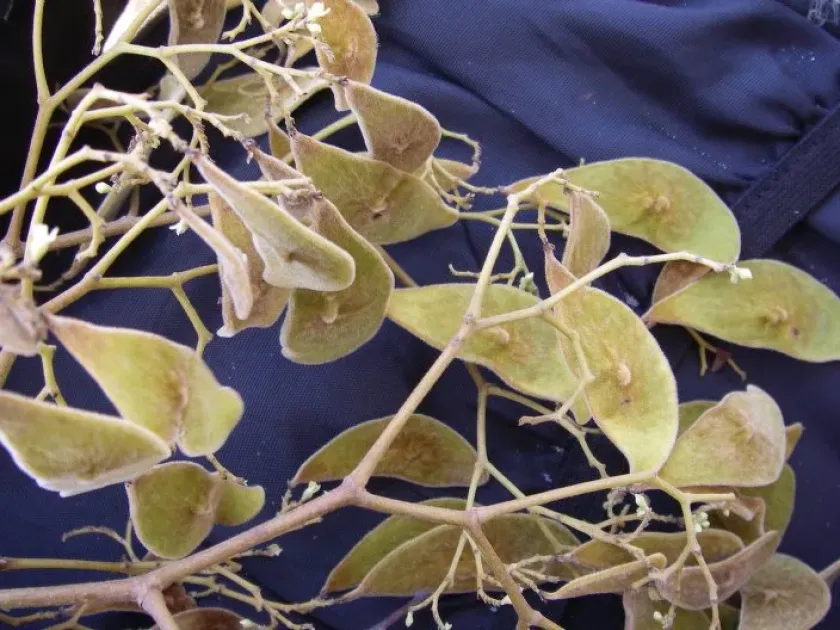
Description
Growing requirements
Dalbergia trichocarpa is a tropical tree species belonging to the Fabaceae family, native to the diverse ecosystems of Madagascar. This culture thrives in humid, warm tropical environments, requiring consistent climate conditions to reach its full botanical potential.
The plant demands well-drained, nutrient-rich soil to support its structural development and biomass accumulation. In forestry practice, maintaining optimal spacing is crucial to ensure that each tree receives sufficient sunlight, which is vital for the growth of high-quality timber.
From a biological standpoint, this species is noted for its ability to fix atmospheric nitrogen, contributing to soil fertility improvement over time. It exhibits a slow to moderate growth rate, which requires patience and careful monitoring during the early years of plantation establishment.
Agrotechnical management should focus on preserving the natural microclimate of the site. This includes managing water resources to prevent soil saturation and ensuring that the plantation is protected from strong, drying winds that can cause physical stress to young saplings.
The primary utility of Dalbergia trichocarpa lies in its dense, durable wood, which is highly prized in high-end carpentry and manufacturing. Sustainable harvesting practices are essential to ensure the longevity of the crop while meeting commercial demands.
Main diseases and pests
Major threats to Dalbergia trichocarpa populations include fungal pathogens that target the root systems, especially in areas with poor drainage or excessive soil moisture. These diseases can lead to systemic decay if left untreated during the early development phases.
Insects and borers are common pests that pose risks to the health of the stems and leaves. Implementation of integrated pest management strategies is recommended to protect the integrity of the timber and prevent infestation spread across the plantation.
Climate instability and extreme weather events pose significant challenges to the health of the trees, as prolonged periods of drought can weaken the plant's resistance. Providing appropriate shade and wind protection is a critical part of a robust management plan.
Human interference, including deforestation and land conversion, continues to be a severe external threat. Sustainable forest management plans are required to protect this species, balancing economic harvest with the need for ecological conservation.
Effective monitoring involves periodic tree health assessments and soil analysis to ensure that nutrient levels remain balanced. Proactive management reduces the likelihood of severe outbreaks and ensures the production of high-grade wood products.