
Brazilian Rosewood
Dalbergia nigra (Vell.) Allemão ex Benth.
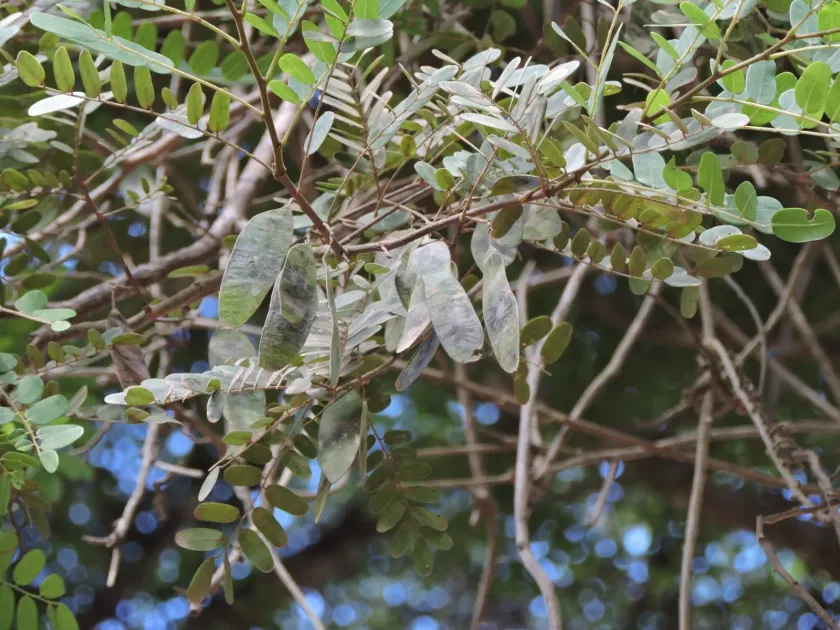
Description
Growing requirements
Dalbergia nigra, commonly known as Brazilian Rosewood, is a prestigious member of the Fabaceae family. Native to the Atlantic Forest of Brazil, this slow-growing tree is highly prized for its dark, aromatic, and durable timber.
The cultivation of this species requires deep, fertile, and well-drained soils. It thrives in humid tropical environments where it is protected from prolonged droughts and freezing temperatures that could stunt its development.
Sunlight requirements are significant; while mature trees are canopy-emergent, juvenile plants benefit from partial shade to simulate the natural forest understory conditions before reaching their full growth potential.
Agricultural practices involve careful monitoring of soil drainage and fertility. Nitrogen-fixing properties of this legume family member contribute to the health of the soil ecosystem, yet standard forest management is necessary for optimal timber yield.
The economic utility of the tree is legendary, being the gold standard for high-end acoustic guitar fingerboards and luxury furniture. Due to its status, commercial plantations must strictly adhere to international conservation standards.
Main diseases and pests
The species faces severe threats, primarily due to habitat loss and historical over-exploitation, which led to its protected status under CITES. Illegal logging remains the biggest challenge to the restoration of its populations.
Pathological threats include various root rots that are exacerbated by poorly drained soil conditions in experimental nursery settings. Maintaining an ideal moisture balance is critical for young saplings' survival.
Insects that bore into the wood are considered major pests, as they degrade the heartwood, which is the most valuable part of the tree. Effective forestry management relies on early detection and prevention of these infestations.
Disease prevention strategies prioritize sanitation within the nursery and the selection of genetically robust seedlings. Avoiding the clustering of monocultures can also help reduce the spread of airborne pathogens.
Wildlife damage, such as from rodents or large herbivores, can be significant during the early years of plantation establishment. Protective measures like fencing and individual plant guards are standard in silvicultural practices.