
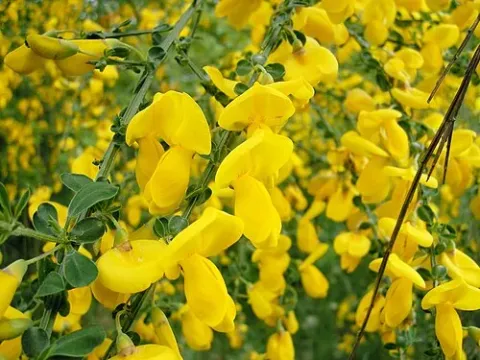
Cytisus commutatus
Cytisus commutatus
Cytisus commutatus is a perennial deciduous shrub belonging to the Fabaceae family. Native to the regions of Southeastern Europe, it thrives in open, sunny habitats and is valued for its hardiness and ornamental potential.
What the section contains
Cytisus commutatus
This species is highly drought-tolerant and requires full sun for optimal performance. It excels in sandy or loamy soils that provide excellent drainage, as the plant is susceptible to root damage in waterlogged conditions.
The plant prefers slightly acidic to neutral soil pH levels. It is not suitable for heavy clay soils, as these tend to retain too much moisture, which can lead to fungal issues and poor development of the root system.
Cytisus commutatus features a deep, fibrous root system that supports its survival in poor, dry soils. While it demonstrates decent cold hardiness, young specimens may require winter protection in colder climates to prevent dieback.
Morphologically, the shrub is characterized by slender, green stems and small trifoliate leaves. During the blooming season, the bush is covered in vibrant yellow flowers, making it a significant plant for pollinator-friendly landscapes.
Powdery mildew is a common fungal threat when the plant is grown in areas with poor air circulation and high humidity. Proper spacing and thinning out dense branches can significantly reduce the risk of infection.
Leaf spot disease can occur, especially during wet seasons. It is essential to remove any infected debris from the ground to prevent the spread of spores to healthy parts of the plant during the following season.
The broom moth is a specific pest that can cause significant damage to the foliage. Monitoring for larvae early in the season is crucial, as they can quickly defoliate parts of the shrub if left unchecked.
Aphids are frequent visitors that target the tender new growth. Regular inspection and the use of insecticidal soap or biological controls are often sufficient to keep aphid populations at an manageable level.
Root rot, often caused by stagnant water, is the most fatal threat to this species. Providing a well-structured soil profile with proper drainage is the primary defense strategy for maintaining long-term plant health.