
Dalbergia boehmii
Dalbergia boehmii
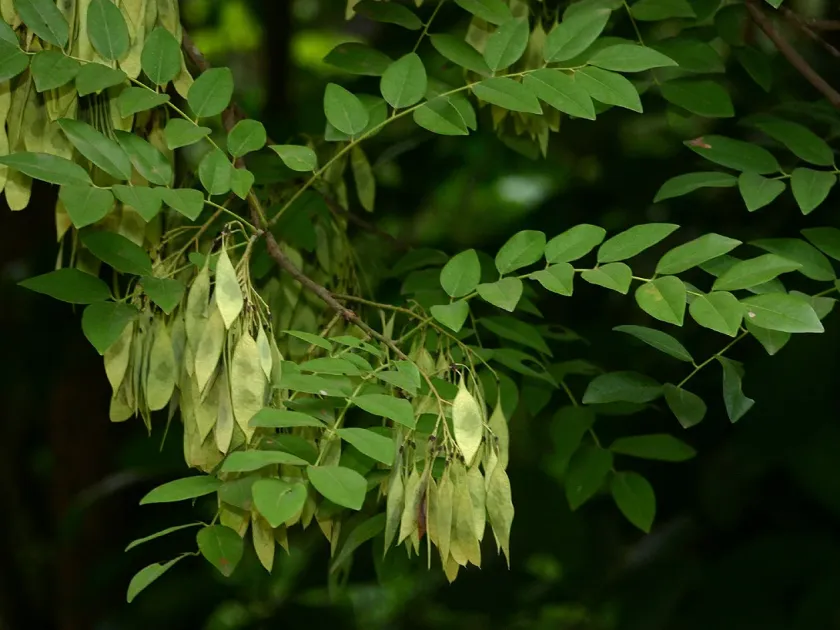
Description
Growing requirements
Dalbergia boehmii is a perennial tree species belonging to the Fabaceae (legume) family. It is indigenous to the tropical regions of Africa, where it thrives primarily in woodland and savanna ecosystems.
The tree is adapted to climates characterized by distinct wet and dry seasons. It requires well-drained soil types and is particularly well-suited to the sandy or stony soils often found in its native distribution range.
As a legume, it plays a vital ecological role by engaging in symbiotic relationships with nitrogen-fixing bacteria. This feature contributes to the enrichment of soil fertility in areas where the tree naturally grows.
Botanically, it typically grows as a medium-sized tree. Its physiological adaptations allow it to withstand seasonal water stress, ensuring survival during the arid periods of the African landscape.
Cultivation of this species in managed systems requires careful attention to site selection, ensuring that local environmental conditions mimic its natural habitat to foster optimal growth rates.
Harvesting
The primary economic use of Dalbergia boehmii is its highly prized timber. It is frequently categorized within the rosewood group, known for its density, durability, and attractive appearance.
The wood is extensively utilized in the manufacturing of high-quality furniture, cabinetry, and musical instruments. Its resistance to decay makes it a preferred material for long-lasting decorative items.
Harvesting strategies involve selecting mature trees that have reached appropriate diameter and heartwood development. Sustainable practices often include replanting programs to maintain forest density.
Beyond commercial logging, the tree is often integrated into agroforestry schemes. These systems help farmers protect their land from soil erosion while simultaneously providing a source of valuable timber.
While the tree is not typically subject to industrial-scale plantation farming, its value in local economies and international timber trade highlights the importance of managing it as a vital biological resource.