
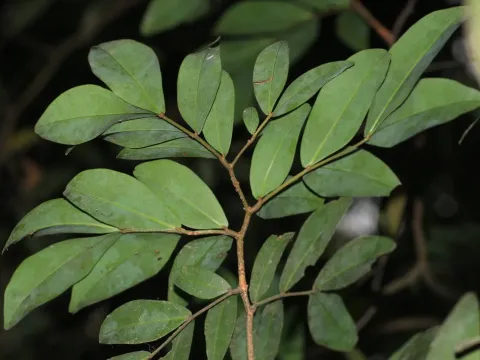
Cynometra iripa
Cynometra iripa
Cynometra iripa is a plant species belonging to the Fabaceae family. It is an evergreen woody plant specifically adapted to the challenging conditions of coastal environments.
What the section contains
Cynometra iripa
This species is a typical component of mangrove ecosystems. It is natively found in the tropical regions of Asia, including India, Sri Lanka, and various countries throughout Southeast Asia.
The plant thrives in wet, saline soils characteristic of coastal swamps and river estuaries. It exhibits a high level of tolerance to periodic tidal inundation, where roots are regularly submerged in seawater.
For optimal development, Cynometra iripa requires a consistently warm tropical climate without extreme temperature fluctuations. Abundant sunlight is a critical requirement for photosynthesis and the development of healthy woody tissue.
The soil substrate should be rich in silt and accumulated organic matter. The plant’s root system is specialized to extract oxygen even in compacted, waterlogged substrates, making it an essential species for coastal stabilization.
The practical use of this species is primarily focused on its ecological services. Cynometra iripa is actively utilized in mangrove restoration projects to prevent shoreline erosion and preserve coastal biodiversity.
The wood of this plant is known for its durability and strength. Historically, it has been used in local construction and for crafting small utility tools within coastal communities.
Various parts of the plant are utilized in traditional medicine systems. The leaves and bark contain bioactive compounds that have been historically applied to reduce inflammation and treat various skin conditions.
Research into the seeds of Cynometra iripa reveals a range of chemical properties that are currently being studied for potential antibacterial and therapeutic applications in modern pharmacology.
Despite these valuable attributes, the species is not cultivated as a commercial agricultural crop but is managed as a vital wild resource that requires habitat protection to sustain its growth.
The primary threat to this species is human activity, particularly the clearing of mangrove forests to make way for aquaculture, especially commercial shrimp farming, which leads to habitat fragmentation.
Contamination of coastal waters by industrial waste and petrochemical spills severely impairs the plant's regenerative capacity. The accumulation of heavy metals in the silt substrate can inhibit root health.
Insect pests include specific leaf-eating insects that thrive in high-humidity tropical environments. Fungal diseases are relatively rare and typically only occur when the natural hydrological regime is disrupted.
Climate change and rising sea levels pose a significant risk, as they may increase soil salinity levels beyond the species' threshold. Drastic shifts in water levels can lead to the mortality of saplings and young growth.
Invasive plant species competition in specific regions can hinder natural regeneration, necessitating targeted conservation efforts to protect existing stands of Cynometra iripa.