
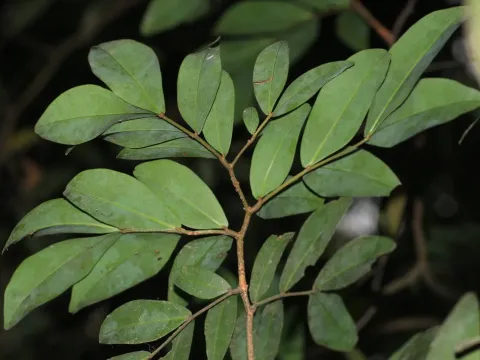
Cynometra
Cynometra
Propagation of Cynometra in its natural environment relies on seed dispersal, which requires specific moisture conditions to initiate germination successfully.
What the section contains

Cynometra
In nursery settings, seeds must be planted immediately after harvest in a nutrient-rich, well-draining substrate to maintain high viability levels.
Optimal germination temperatures for the genus range from 25 to 30 degrees Celsius, requiring a stable tropical microclimate to ensure vigorous seedling growth.
Seedlings are typically transplanted to their permanent locations at the beginning of the wet season, which provides the necessary moisture for deep root establishment.
Proper spacing is crucial when planting Cynometra to allow sufficient room for the canopy development of mature trees and to promote better air circulation.
Cynometra belongs to the Fabaceae family and comprises various species of evergreen trees and shrubs primarily found in tropical climates across the globe.
These plants are strictly tropical and cannot tolerate frost, requiring consistently warm temperatures throughout the entire year for healthy growth and development.
High levels of humidity are generally preferred, and while some species demonstrate moderate drought tolerance, consistent rainfall significantly boosts biomass production.
Soil requirements typically include deep, fertile, and well-drained ground, as waterlogging in the root zone can be detrimental to the health of the tree.
While mature trees often thrive in full sun, saplings benefit from partial shade, which prevents leaf scorch and helps manage moisture loss in the initial stages.
The primary agricultural interest in Cynometra lies in its timber, which is known for its durability, hardness, and resistance to environmental degradation.
Several species within the genus are valued for their edible fruits, contributing to local food security and biodiversity in tropical agroforestry systems.
The wood is frequently utilized in furniture manufacturing and construction due to its high density and aesthetic qualities, making it a valuable forest resource.
Sustainable harvesting methods are essential to maintain the yield of both timber and fruit, ensuring the long-term viability of the plantations.
Economic potential varies by species, with ongoing research focusing on optimizing growth rates and improving product quality through better forest management.
Wood-boring insects present a significant threat to mature Cynometra trees, potentially damaging the trunk and reducing the overall timber quality and structural integrity.
Fungal infections, often exacerbated by high humidity and poor ventilation, can cause stem and leaf diseases that compromise the health of the tree.
Root rot is a common ailment in poorly drained soils, often caused by stagnant water that suffocates the roots and promotes opportunistic soil-borne pathogens.
Leaf-eating pests can cause substantial defoliation in young plants, which slows down the growth rate and leaves the trees vulnerable to secondary infections.
Effective management strategies include regular orchard monitoring, sanitation pruning to remove infected branches, and the use of targeted biological controls.