
Camptosema grandiflorum
Camptosema grandiflorum
Description
Growing requirements
Camptosema grandiflorum is a robust woody vine belonging to the Fabaceae family. It is native to the Cerrado regions of Brazil, where it thrives in tropical environments and well-defined seasonal climates.
The plant requires high levels of solar radiation and warm temperatures to maintain its growth cycle. It is highly sensitive to frost, which limits its outdoor cultivation to tropical or frost-free subtropical regions.
Soil requirements include excellent drainage and moderate fertility. While the species is adapted to acidic native soils, in cultivation, it benefits from balanced organic amendments and a neutral soil pH for optimal performance.
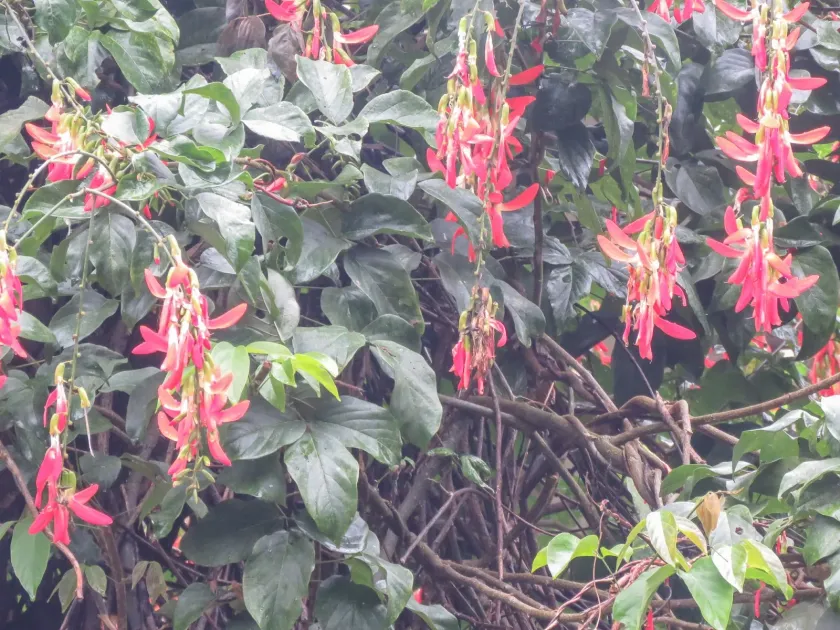
Botanically, it is known for its spectacular drooping inflorescences featuring large, vivid red flowers. The leaves are trifoliate and leathery, providing structural integrity against harsh sunlight and strong winds in its native habitat.
Its primary agricultural and horticultural utility is as an ornamental vine for pergolas and trellises. It serves as an important nectar source for local pollinators, including hummingbirds and various species of bees in its natural range.
Main diseases and pests
Root rot is the most significant threat to Camptosema grandiflorum, usually resulting from soil compaction or poor drainage. Proper water management is critical to ensure root health and longevity.
Pests such as aphids and spider mites frequently affect the plant, particularly during dry spells. These pests can cause chlorosis or premature leaf drop if not managed with appropriate horticultural soap or systemic treatments.
Fungal leaf spots can develop when foliage remains damp for extended periods. To prevent this, planting sites should be selected to allow for maximum air circulation around the vine's canopy.
Nematode infestations in the soil can stunt plant growth and reduce flowering capacity. Utilizing clean, sterile potting media or nematode-resistant rootstocks is recommended in areas with high pest pressure.
General maintenance, including the removal of dead wood and monitoring for early signs of infestation, is essential. A proactive approach to plant health keeps the vine productive and visually appealing throughout the growing season.