
Argyrolobium uniflorum
Argyrolobium uniflorum
Description
Growing requirements
Argyrolobium uniflorum is a perennial herbaceous plant belonging to the Fabaceae family. It is recognized for its ability to thrive in harsh environments, making it a subject of interest for arid-land agricultural systems.
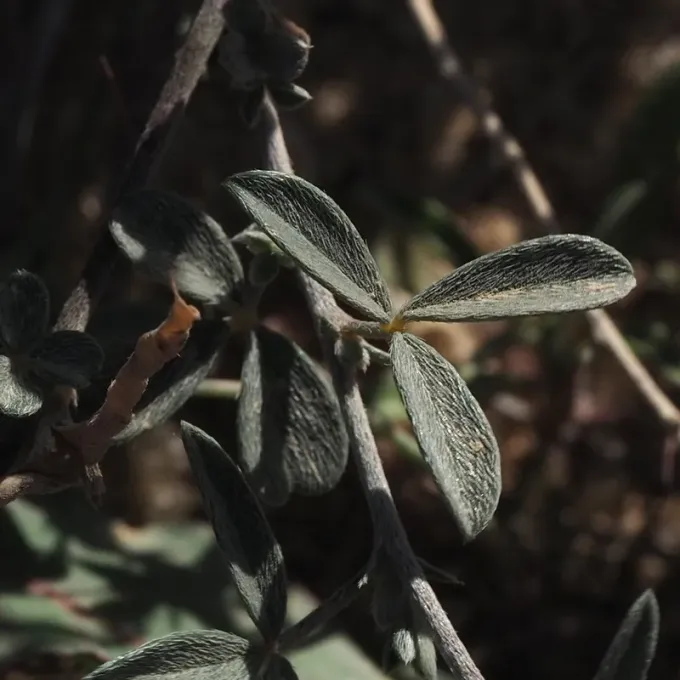
Botanically, the species is characterized by a low-growing semi-shrub form with trifoliate leaves covered in silvery trichomes. These hairs act as a natural mechanism to reduce moisture loss and protect the plant from high solar radiation.
The native range of this plant includes North African and Mediterranean ecosystems, where it has evolved to cope with limited water availability and extreme temperature fluctuations typical of desert-fringe climates.
Optimal growth requires well-drained sandy or loamy soils. The plant is sensitive to waterlogging, so soil aeration is a critical factor in agricultural site selection. It performs well in alkaline to neutral soil conditions.
As a legume, it plays a vital role in nitrogen fixation. By establishing symbiotic relationships with rhizobia, it contributes to soil enrichment, which is essential for sustainable crop rotation and pasture management in degraded areas.
Main diseases and pests
The primary threats to Argyrolobium uniflorum in agricultural settings are fungal pathogens that induce root and crown rot, typically exacerbated by excessive soil moisture or poor drainage systems during the rainy season.
Insect pests, including various leaf-chewing larvae and beetles, can cause significant damage to the foliage. During periods of drought, sap-sucking mites may also emerge as a threat, weakening the plant by depleting essential resources.
Effective management involves maintaining appropriate plant density to ensure adequate airflow, which prevents the build-up of micro-climatic humidity conducive to fungal development. Regular scouting for early signs of infection is recommended.
If chemical intervention is necessary, it must be performed with caution to protect the beneficial insects that visit the flowers. Biological control agents are preferred to maintain the long-term ecological balance of the site.
Robust plant health is the best defense against pests and diseases. Providing the correct soil nutrients, primarily phosphorus and potassium, helps improve the plant's structural integrity and overall resistance to stressors.