
Argyrolobium biebersteinii
Argyrolobium biebersteinii
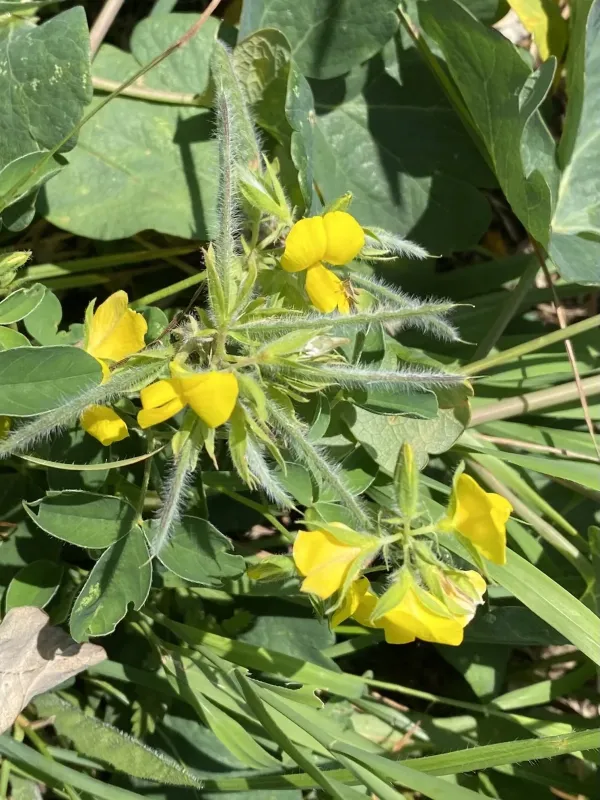
Description
Growing requirements
Argyrolobium biebersteinii is a perennial herbaceous plant belonging to the Fabaceae family. This species is characterized by its specific morphology typical of legumes, including trifoliate leaves and yellow butterfly-shaped flowers.
The origin of the species is linked to the arid and mountainous regions of the Caucasus and the Near East. Due to its evolutionary adaptation to these harsh environments, the plant exhibits remarkable drought tolerance and hardiness.
Cultivation of this plant requires well-drained, sandy, or rocky soil types. It is highly sensitive to waterlogging, which can lead to rapid decay of the root system and plant loss. Therefore, light soil structures are preferred.
The climate requirements include a significant amount of solar radiation and moderate to low precipitation. It thrives in open, sunny areas where its biological potential for nitrogen fixation is fully utilized in the soil.
In terms of agricultural utility, Argyrolobium biebersteinii is often considered for soil reclamation projects. Its ability to thrive in poor, stony soils makes it an excellent choice for stabilizing slopes and enhancing soil nitrogen levels.
Main diseases and pests
The primary threats to the health of the crop include various fungal diseases such as root rot and leaf spot, typically triggered by high humidity or inadequate air circulation in dense plantings.
Insect pests, particularly weevils, pose a significant risk as they feed on both the seeds and the green parts of the plant. Such infestations can significantly stunt the growth of young seedlings.
Managing the weed population is a critical part of the agronomic process. Since the plant has a slow initial growth rate, it may be outcompeted by weeds unless regular mechanical weeding is performed.
Preventative measures, including the use of certified, clean seeds and the implementation of a proper crop rotation system, are essential to minimize the pathogen load in the agricultural environment.
If chemical protection becomes necessary, it is vital to select selective herbicides and systemic insecticides that minimize negative impacts on local pollinator populations, which are often found near legume crops.