
Argyrolobium zanonii
Argyrolobium zanonii
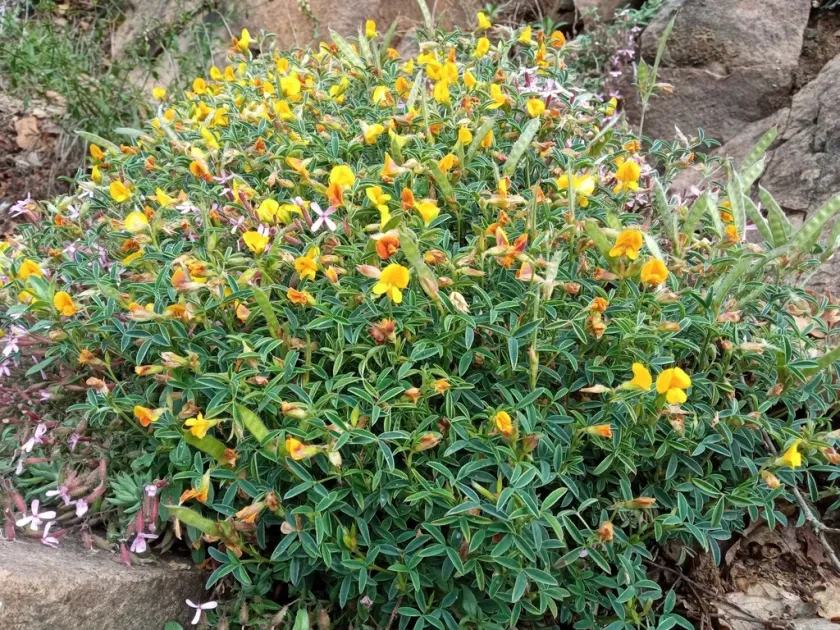
Description
Sowing dates
Argyrolobium zanonii is a member of the Fabaceae family, typically propagated by seeds during the spring season when soil temperatures remain consistently above 15 degrees Celsius.
Seeds of this species feature a tough, impermeable coat, which necessitates mechanical or chemical scarification to break dormancy and ensure uniform germination.
Sowing depth should be shallow, generally between 1 and 2 centimeters, ensuring that seeds are placed into contact with moist, well-aerated soil media.
Given the slow initial growth rate of the seedlings, it is critical to keep the nursery or field plot free from competitive weeds throughout the establishment phase.
Proper spacing is vital, with standard row plantings adjusted according to the soil fertility and the primary intent of the cultivation project.
Growing requirements
This crop thrives in well-drained, sandy, or rocky soil conditions, showing a strong intolerance for waterlogged environments that lead to root rot.
The plant requires full sun exposure and is highly adapted to high-light intensity environments, which are characteristic of its native Mediterranean habitat.
Argyrolobium zanonii exhibits significant drought tolerance, allowing it to survive in areas where rainfall is seasonal and soil moisture levels are low.
Soil pH should preferably be neutral to slightly alkaline, as these conditions favor the symbiotic nitrogen-fixing bacteria associated with the plant roots.
The plant is adapted to Mediterranean climates and prefers warm conditions, although it can withstand short periods of moderate cold during winter dormancy.
Main diseases and pests
The primary threat to plant health is root fungus resulting from improper drainage or excessive irrigation practices that saturate the root zone.
Pests such as aphids and various species of weevils often attack the tender foliage and flower buds, potentially compromising the seed production process.
Powdery mildew may occur in poorly ventilated plantings, necessitating management practices that increase airflow and reduce local humidity levels.
Early detection of damage from soil-dwelling larvae is necessary during the first two years of growth to prevent significant loss of the stand.
Effective management includes maintaining optimal soil health and avoiding the overuse of synthetic fertilizers that might disturb the natural rhizobial associations.