
Argyrolobium crotalarioides
Argyrolobium crotalarioides
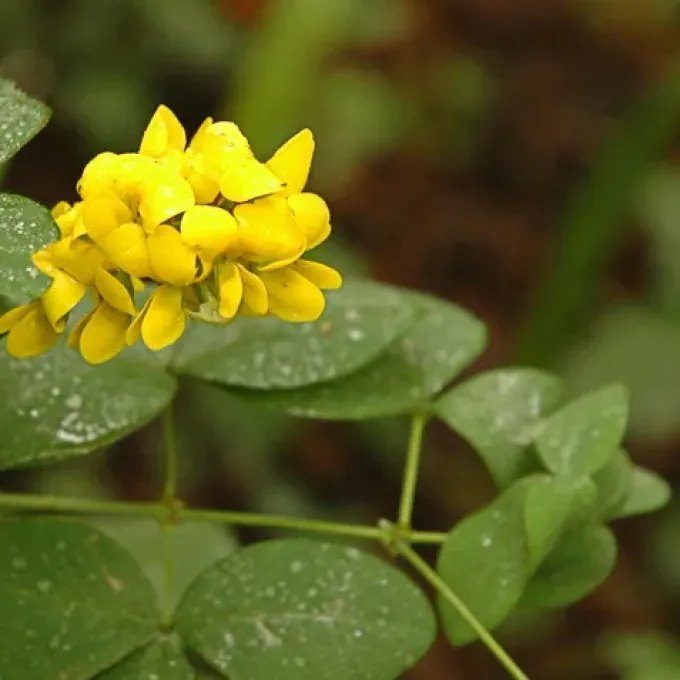
Description
Sowing dates
Argyrolobium crotalarioides is a perennial herbaceous plant belonging to the Fabaceae (legume) family. Sowing is typically carried out in the spring, once the soil temperature consistently reaches 15–18 degrees Celsius, which facilitates optimal germination.
Given the hard seed coat typical of many legumes, mechanical scarification is often recommended before planting. This process significantly improves the uniformity of emergence and increases the overall success rate of the crop establishment.
The seeds should be planted at a depth of approximately 2 to 3 centimeters. Ensuring firm contact between the seed and the soil is vital for moisture uptake, which is best achieved through light rolling of the soil surface after sowing.
Effective site preparation involves thorough weed control prior to planting. Since Argyrolobium seedlings grow relatively slowly during their initial stages, keeping the area free from competing vegetation is essential for robust development.
The planting density should be adjusted based on the intended purpose, such as biomass production or soil improvement. Proper spacing allows for efficient resource utilization, ensuring each plant has adequate access to nutrients and light.
Growing requirements
Originating from regions in Southern Africa, this plant is well-adapted to warm, sunny environments. It thrives in open areas with high solar exposure, which is necessary for vigorous growth and effective photosynthesis.
The plant demonstrates high adaptability to various soil types, particularly favoring well-drained sandy or loamy soils. Excessive moisture or waterlogged conditions must be avoided, as they significantly increase the risk of root rot and other pathogens.
Argyrolobium crotalarioides is known for its resilience during drought periods, thanks to a well-developed taproot system. This biological trait allows the plant to persist in semi-arid conditions where other crops would fail.
As a legume, the plant forms a symbiotic relationship with nitrogen-fixing bacteria in its root nodules. This process reduces the need for synthetic nitrogen fertilizers, making the crop a sustainable choice for soil health improvement.
Moderate temperatures are ideal for the plant's active growth phase. While it can withstand some heat, protection from extreme, prolonged frosts is necessary to prevent damage to the aerial parts of the plant during the winter season.
Yield
The primary agricultural use of Argyrolobium crotalarioides is as a high-quality forage plant. Its foliage provides valuable protein and minerals for livestock, making it a viable component of grazing systems in suitable climates.
Beyond its use as fodder, the plant is highly valued for its contribution to soil fertility. By fixing atmospheric nitrogen, it enriches the soil, which benefits subsequent crops grown in the same rotation.
Yield capacity is largely dependent on available soil moisture and the consistency of the growing season. In optimal management scenarios, the plant can produce reliable biomass yields, supporting sustainable farm production models.
Harvesting for seed production is best executed when the pods are fully mature and show signs of dryness. Timely collection is crucial to minimize losses due to natural pod shattering, a common occurrence in many legume species.
In low-input agricultural systems, the plant is appreciated for its low maintenance requirements and its ability to regenerate over several seasons, providing long-term benefits to the producer.
Main diseases and pests
The most significant threat to Argyrolobium crotalarioides is the development of fungal diseases, particularly in humid or poorly drained conditions. Root and crown rots are the most prevalent issues during rainy spells.
Pest management focuses on common legume insects such as weevils, which can cause damage to both foliage and the root system. Regular monitoring and integrated pest management practices are recommended to mitigate these risks.
Competition from invasive weeds during the establishment phase can severely handicap the plant's growth. Mechanical weeding and strategic site selection are primary defenses against weed-related biomass reduction.
Rodent activity and certain soil-borne pests can also pose risks to the root integrity of the plants. In regions with high pest pressure, preventative biological treatments are often more effective than chemical interventions.
Overgrazing poses a long-term threat to perennial stands. Implementing rotational grazing schedules helps protect the plant's crown, ensuring its longevity and continued productivity in pastoral settings.