
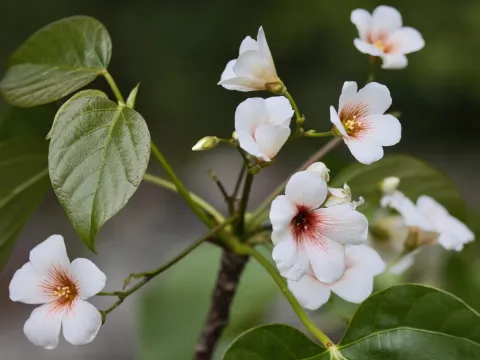
Tung tree
Vernicia
Tung tree propagation is primarily achieved through seeds, which require stratification to improve germination rates. In commercial nurseries, seeds are typically sown in the spring once soil temperatures reach 12 to 15 degrees Celsius to ensure optimal growth.
What the section contains


Tung tree
Seeds are usually planted at a depth of 5 to 8 centimeters, depending on the soil structure and moisture levels. A consistent spacing pattern is essential to facilitate mechanical maintenance and efficient management of the plantation area.
Once seedlings emerge, thinning is conducted to prioritize the most vigorous plants. Transplanting to the permanent site is recommended at the age of one or two years, when the root system is sufficiently developed to survive the transfer.
Consistent watering during the first few years after transplantation is vital for healthy crown development. The goal is to establish a strong structural foundation that will support future fruit production and withstand environmental stressors.
Fall planting can be successful in warmer climates, allowing roots to establish before the spring growing season. However, in regions prone to late frost, spring planting is preferred to avoid damage to sensitive young shoots.
The Tung tree is a subtropical species within the Euphorbiaceae family, requiring specific environmental conditions to thrive. Originating from East and Southeast Asia, the tree has specific biological needs regarding temperature and humidity.
Well-drained, fertile soil is necessary for optimal development. Tung trees are highly sensitive to waterlogged conditions, making elevated or sloped terrains ideal for plantation sites to prevent root rot and ensure soil aeration.
A stable temperature range of 20 to 30 degrees Celsius is optimal for growth. Prolonged frost or freezing temperatures can severely damage the wood and destroy fruit-bearing buds, significantly impacting long-term productivity.
Abundant sunlight is crucial as the Tung tree is a heliophyte. Inadequate light levels can lead to stunted growth, reduced leaf area, and lower oil content in the seeds, which directly affects the economic yield of the crop.
Cultural management involves regular soil cultivation and fertilization. Using mulch in the orchard helps retain soil moisture and suppresses weed growth, which is essential to minimize competition for nutrients during the early stages of growth.
Yield productivity is heavily dependent on the variety, age of the plantation, and the intensity of agricultural practices. Significant fruiting usually begins between the 4th and 5th year, with maximum yields reached after 10 to 15 years.
The number of trees per hectare is a key factor in determining total harvest volume. Modern breeding programs focus on developing high-yielding cultivars that show resistance to fluctuating weather conditions and produce superior quality seeds.
The oil content of the seeds is a primary quality indicator for the paint and coating industry. While genetically determined, environmental conditions such as rainfall and sunshine during the nut-filling stage can fluctuate the final oil percentage.
Pruning is a standard practice to improve yield by shaping the tree canopy. This allows for better light penetration, which stimulates the growth of more fruiting branches and helps manage the overall load of the tree.
Strategic fertilization with nitrogen and phosphorus during peak growth phases is recommended to maximize fruit count. Soil testing should be conducted annually to tailor nutrient programs to the specific needs of the orchard.
Tung trees face risks from various fungal pathogens, often triggered by excessive humidity or poor soil drainage. Leaf spot and root rot are common issues that require timely application of systemic fungicides to manage spread.
Insects like mites and scale insects represent significant threats to foliage and overall plant vigor. If left uncontrolled, these pests can weaken the tree significantly, making it more susceptible to other secondary infections.
An integrated pest management (IPM) approach is vital, combining chemical controls with physical monitoring and sanitation. Avoiding monoculture issues by maintaining ecological balance within the orchard is a priority for sustainable management.
Sanitation practices, such as pruning and removing infected branches, are essential to minimize inoculum levels. These materials should be destroyed far from the orchard to prevent the re-emergence of pathogens in the next growing season.
Early detection by trained field staff allows for targeted interventions, reducing the need for broad-spectrum chemical applications and preserving the overall health of the tree canopy.
Harvesting takes place once fruits reach maturity, signaled by a change in outer shell color and natural drop. Timing is critical to prevent moisture-related quality loss while the fruit remains on the ground.
Hand-harvesting is preferred to ensure the selection of mature fruits and to minimize mechanical damage to the tree branches. Some commercial operations use specialized equipment to shake trees, followed by prompt collection.
Post-harvest drying is essential to reduce the moisture content of the fruit before storage. Proper drying prevents the growth of mold and ensures the structural integrity of the seeds during the oil extraction process.
Decortication machinery is used to remove the hard shells from the harvested nuts. Once the kernels are separated, they are cleaned to remove debris and graded by size and quality for commercial processing.
Storage facilities must be dry, dark, and well-ventilated to prevent the oils within the seeds from turning rancid. Proper environmental control allows for the safe storage of seeds until they are ready for industrial crushing.