
Japanese tung
Vernicia cordata (Thunb.) Airy Shaw
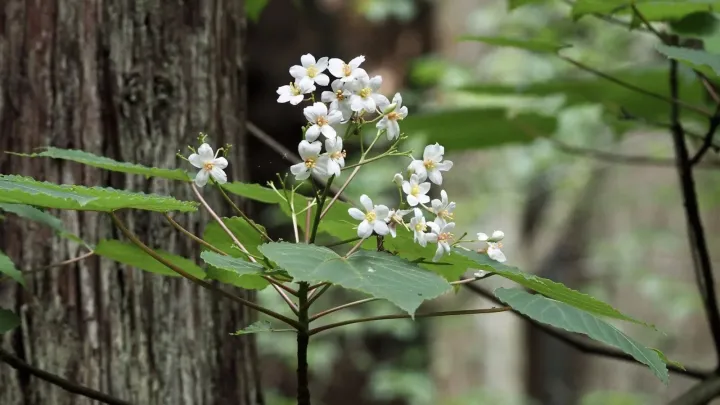
Description
Sowing dates
Propagation of the Japanese tung tree is primarily achieved through seeds. Sowing should take place in the spring once soil temperatures reach a stable 12–15 degrees Celsius.
Seeds require stratification for 60 to 90 days in cool conditions to break dormancy and ensure a high germination rate before being placed in the soil.
In nursery settings, seeds are planted at a depth of 5–7 centimeters. Careful monitoring of moisture levels is crucial during the initial stages of seedling development.
When establishing a permanent orchard, spacing is critical; trees should be planted at least 6 meters apart to allow for proper canopy development and light exposure.
Pre-soaking seeds in growth-promoting solutions can significantly improve the uniformity of germination, leading to more consistent plant growth across the orchard.
Growing requirements
Vernicia cordata, belonging to the Euphorbiaceae family, is a heat-loving species that thrives in subtropical environments where the climate is relatively mild.
The tree demands well-drained soil, specifically preferring loamy or sandy loam textures. It cannot tolerate waterlogged soils, which often lead to severe root decay.
Exposure to full sunlight is essential for the tree's health and productivity. Shade significantly inhibits both the flowering process and the development of fruit.
While mature trees possess some tolerance to low temperatures, they require protection from severe frost and strong, cold winds that can damage sensitive young branches.
Consistent soil moisture is necessary during the peak growing season, although established trees show a reasonable level of drought tolerance due to their deep root systems.
Yield
The primary economic value of the Japanese tung lies in the production of high-quality tung oil extracted from its seeds, which is prized in various industries.
Tung oil is renowned for its rapid polymerization and water-resistant properties, making it an ideal component for paints, varnishes, and marine finishes.
The tree generally begins to bear fruit within 4–6 years after planting, reaching optimal commercial yield potential when it is between 10 and 15 years old.
Annual yields vary depending on climatic conditions and management practices, with well-maintained orchards capable of producing several tons of fruit per hectare.
The industrial process involves drying the harvested fruits, removing the seed husks, and cold or hot pressing the seeds to extract the valuable oil content.
Main diseases and pests
Japanese tung trees are susceptible to several pests, including various leaf-eating beetles and caterpillars that can quickly compromise the tree's photosynthetic capacity.
Fungal diseases, such as anthracnose and cercospora, pose a major threat, particularly in humid and poorly ventilated conditions which encourage spore development.
Root rot is a common issue in poorly drained sites, necessitating careful site selection and the implementation of effective irrigation and drainage management.
Integrated pest management strategies are recommended, focusing on regular monitoring and the use of targeted treatments only when necessary to preserve orchard health.
Sanitation practices, such as removing fallen leaves and infected branches, are vital for reducing the inoculum load and preventing the spread of diseases.
Harvesting
The harvest season for Japanese tung occurs during autumn when the fruit capsules transition to a brown color and begin to dry on the tree branches.
Fruits are usually collected after they fall to the ground or are picked manually from the tree once they reach full physiological maturity.
After collection, the fruits must be dried thoroughly to reduce moisture levels, which prevents mold growth and ensures the long-term stability of the seeds.
Mechanical hulling is then employed to separate the seeds from their outer capsules before the final extraction stage takes place in processing facilities.
Proper storage of the harvested seeds in cool, dry conditions is essential to maintain the quality and purity of the oil during the extraction process.