
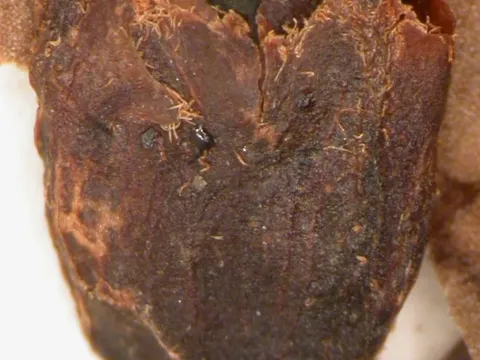
Vaupesia
Vaupesia
Vaupesia (Latin Vaupesia) belongs to the Euphorbiaceae family and is a characteristic species of the tropical rainforests of South America, specifically the Amazon basin.
What the section contains
Vaupesia
This evergreen woody plant thrives in humid tropical conditions with consistently high annual temperatures, and it cannot tolerate even minor frost events.
Successful cultivation requires deep, fertile alluvial soils with excellent drainage, as waterlogging is detrimental to the plant's root system.
The plant is highly adapted to the high atmospheric humidity found in rainforests and shows poor resilience when exposed to prolonged dry periods.
In its natural habitat, Vaupesia typically occupies the understory and middle canopy layers, relying on specific levels of shade during its early growth stages.
The economic utility of Vaupesia is primarily focused on its valuable timber, alongside the potential use of its fruits and seeds in local artisanal practices.
Yield capacity is significantly tied to the age of the tree and its environmental conditions, with wild stands offering stable but currently limited productivity.
Scientific exploration highlights the presence of unique phytochemical compounds within various parts of the plant, suggesting potential future applications in pharmacy.
Large-scale commercial production remains limited, as the plant is mostly harvested from natural forest ecosystems by indigenous and local communities.
Future gains in agricultural yield will depend on targeted breeding programs aimed at adapting the species to controlled plantation environments.
The primary threats to this genus are fungal diseases that flourish in the constantly high-humidity environment of the tropical rainforest.
Foliage is susceptible to various spot-forming pathogens, which can significantly decrease the photosynthetic capacity of the canopy.
Pests such as leaf-cutter ants and several species of weevils are known to cause substantial damage to young shoots and the tree's bark.
Improper lighting conditions or imbalances in soil nutrients often lead to physiological stressors that weaken the plant's natural defenses.
Management of these threats in limited cultivation settings involves both structural agricultural practices and the application of integrated pest management strategies.