
Two-umbel spurge
Euphorbia biumbellata
Description
Growing requirements
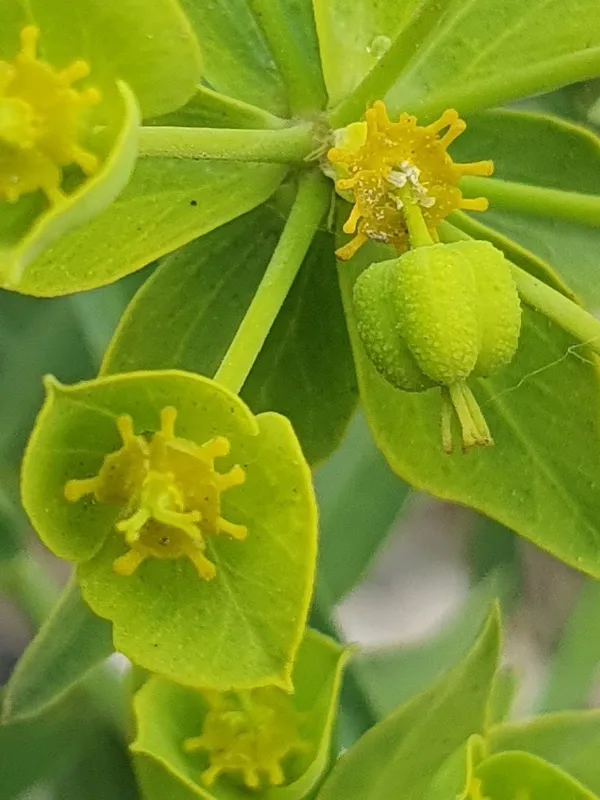
The Two-umbel spurge (Euphorbia biumbellata) is a perennial succulent plant belonging to the diverse Euphorbiaceae family. Originating from the mountainous terrains of Mexico, it has adapted to survive in environments characterized by distinct dry and wet seasons.
Agricultural success with this species depends heavily on providing highly porous, well-draining soil. Sandy or rocky loam textures are ideal, as they prevent the water stagnation that can quickly lead to lethal root rot in this species.
Regarding climate, this crop thrives in high-light conditions, requiring maximum solar exposure to maintain its compact growth habit. It is highly intolerant of frost, necessitating climate-controlled cultivation in temperate zones, typically within greenhouse facilities.
The optimal temperature range for vegetative development lies between 18 and 28 degrees Celsius. While it demonstrates resilience to heat, extreme spikes above 35 degrees can cause physiological stress, requiring increased air circulation to cool the plant canopy.
Essential agronomic practices include precise irrigation management, often utilizing drip systems to keep the root zone consistently moist but never waterlogged. Fertilization should be moderate, focusing on mineral supplements that do not promote excessive, succulent-soft growth.
Main diseases and pests
Fusarium wilt remains the most significant pathological threat to this culture. It is primarily triggered by over-irrigation and poor drainage, which weaken the plant's natural defenses and allow fungal pathogens to enter the vascular system.
Pest pressure often comes from spider mites, which thrive in dry greenhouse conditions. These pests can rapidly destroy foliage, necessitating frequent monitoring and the application of predatory mites or selective acaricides as part of an integrated pest management plan.
Mealybugs are another common nuisance, hiding in the junctions of branches and sucking sap from the plant. Their waxy coatings make manual removal or standard contact insecticides less effective, often requiring systemic control methods.
Fungal leaf spot diseases may appear if relative humidity remains too high for extended periods. Improving airflow through systematic thinning and the installation of ventilation fans is crucial for maintaining the sanitary health of the plantation.
Given the toxicity of the milky latex produced by all Euphorbia species, laborers must use proper personal protective equipment. Accidental exposure to the skin or eyes during harvesting or maintenance tasks can cause severe irritation, requiring immediate washing protocols.