
Wood oil tree
Vernicia montana Lour.
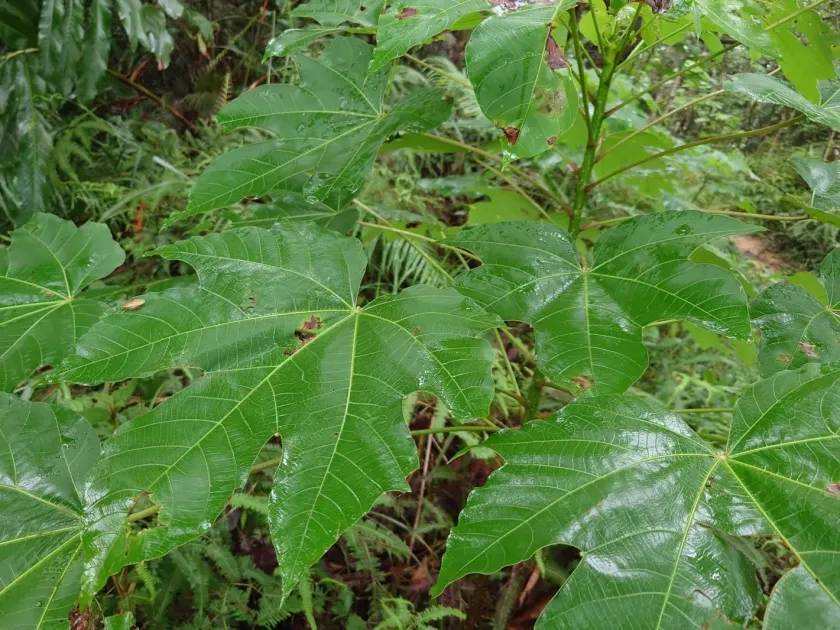
Description
Sowing dates
Vernicia montana, commonly known as the Wood oil tree or Mountain tung, is a vital oil-bearing species belonging to the Euphorbiaceae family. The establishment of plantations typically begins with the propagation of seedlings in controlled nursery environments.
Sowing the seeds is best performed during the spring months when soil temperatures have consistently risen. Pre-treatment methods, such as stratification or soaking in water, are essential to break dormancy and ensure high germination rates across the plantation.
When transplanting one-year-old saplings to the permanent field, careful root handling is crucial. The planting distance should be wide enough to accommodate the tree's expansive canopy, ensuring each specimen receives adequate sunlight for optimal photosynthesis.
During the early developmental stages, young trees require consistent irrigation and regular weeding to prevent competition for nutrients. Establishing a structured training program for the canopy is also recommended to improve airflow and structural integrity.
Advanced propagation techniques, including grafting onto rootstocks, are often employed to maintain the genetic uniformity of the plantation, which results in more predictable yields and higher quality harvests over time.
Growing requirements
This species thrives in subtropical climates that are characterized by high humidity and warm temperatures. It is sensitive to extreme cold and frost, which limits its commercial cultivation to frost-free geographical regions.
The Wood oil tree requires deep, fertile, and well-drained soils to prosper. It is particularly sensitive to waterlogged conditions, making proper site selection and the installation of drainage systems a top priority for agricultural planners.
Light availability is a primary factor influencing tree productivity. As a light-demanding species, the Wood oil tree must be planted in open areas to avoid the shading that leads to sparse fruiting and lower oil content in the seeds.
Regular application of balanced fertilizers—rich in phosphorus and potassium—is necessary to sustain rapid growth and the high metabolic demands associated with fruit production in mature specimens.
Wind protection is another critical factor in site preparation. Because the tree's branches can be fragile during their youth, windbreaks are often planted around the perimeter of the field to shield the crop from damaging storms.
Yield
The primary economic value of Vernicia montana lies in its seeds, which yield a high-quality drying oil used globally in the manufacture of varnishes, paints, and marine coatings due to its excellent water-resistant properties.
Trees typically reach their initial fruiting stage between 3 and 5 years after planting, with commercial yields peaking as the trees mature, usually between 10 and 25 years of age. Proper management can extend this period of productivity significantly.
The fruit consists of a woody capsule containing several seeds. The extraction process is sophisticated, aiming to maximize the yield of oil, which can constitute up to 60% of the dry weight of the kernel, depending on the specific cultivar.
Systematic pruning is a standard practice to manage fruit production and prevent the alternate-bearing cycle that can plague many nut-producing trees. This ensures a consistent volume of raw material for industrial processing each season.
By-products of the oil extraction process, such as the seed cake, must be managed correctly. While they contain toxic elements, after proper processing, they are often researched as organic conditioners to enrich soil nitrogen levels.
Main diseases and pests
The Wood oil tree is susceptible to various fungal pathogens, particularly those affecting the foliage and roots, which are exacerbated by poor drainage and excessive moisture within the dense canopy of the plantation.
A range of insect pests, including scale insects and aphids, can cause significant damage by feeding on the sap of young shoots. These infestations often lead to chlorosis and premature leaf drop, which drains the tree's energy reserves.
Effective management requires a consistent integrated pest management (IPM) strategy. This involves regular scouting for early signs of infection and the use of targeted biological or chemical controls to keep pest populations below economic thresholds.
Sanitation plays a vital role in disease control. Removing fallen leaves, diseased fruits, and deadwood from the plantation floor drastically reduces the inoculum load, minimizing the need for extensive pesticide applications.
Strategic pruning to maintain canopy health is not only beneficial for light penetration but also prevents the stagnant microclimates that often harbor fungal spores and provide breeding grounds for destructive insect populations.
Harvesting
Harvesting is performed once the fruit capsules reach maturity and have turned a dark brown color. In many regions, the harvest occurs as the fruits drop naturally, requiring rapid collection to prevent soil-borne pathogens from affecting the seeds.
Mechanization has improved the efficiency of gathering, but care must be taken to avoid damaging the tree trunk and branches, which would predispose the tree to secondary infections and reduce future yields.
After collection, the fruits must be dried thoroughly in well-ventilated areas. This drying stage is essential to reach a stable moisture level, preventing the oil within the kernels from oxidizing or becoming rancid before extraction.
Storing the raw material requires temperature-controlled facilities that protect the seeds from humidity and pests. Proper storage protocols are essential for maintaining the chemical purity and industrial quality of the extracted oil.
The logistics of transport are just as important; ensuring that seeds are not overheated during shipping helps maintain the integrity of the oil, which is a premium commodity in the global market for natural drying agents.