
Tree spurge
Euphorbia arbuscula
Description
Growing requirements
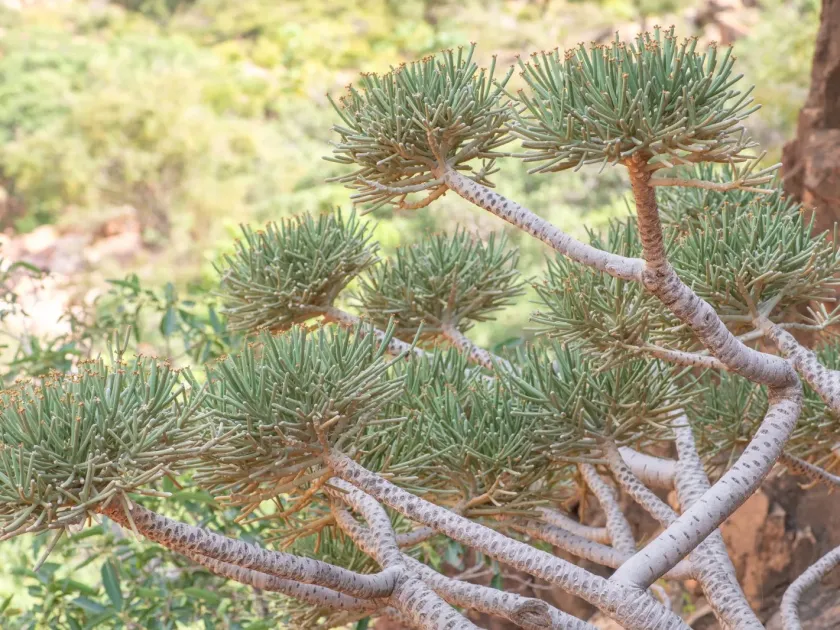
Euphorbia arbuscula is a distinct succulent belonging to the Euphorbiaceae family. Originating from the Socotra archipelago, this plant has evolved to thrive in arid, high-temperature environments where moisture availability is highly seasonal and limited.
The cultural requirements for this plant emphasize the need for intense solar exposure. In greenhouse or nursery settings, it is essential to provide full sun to maintain the plant's characteristic woody structure and prevent etiolation, which often compromises the structural integrity of the succulent stems.
Soil composition must prioritize drainage above all else. A porous, mineral-rich substrate—such as a mix of pumice, coarse sand, and a small portion of peat—is ideal to replicate the rocky slopes of its native habitat and ensure the root zone remains aerobic.
Climatic management involves maintaining a warm environment during the growing season while ensuring a dry winter rest period. This cyclical approach mimics the natural climatic shifts of its home range, which is critical for the long-term health and potential reproductive success of the plant.
In terms of agricultural and horticultural use, Euphorbia arbuscula is highly valued as an ornamental specimen in xeriscaping. Its unique, tree-like appearance makes it a sought-after subject for specialized botanical gardens and collectors focusing on rare desert flora.
Main diseases and pests
The most significant threat to the health of Euphorbia arbuscula is root rot, typically caused by waterlogged soil conditions. Due to the succulent nature of the stems, they are highly susceptible to internal fungal breakdown if drainage fails, leading to rapid plant collapse.
Mealybugs are the primary pest species affecting this plant. They tend to congregate in the protected crevices of the woody stems, making them difficult to detect until an infestation is well-established. Routine visual inspections are necessary to control these populations.
Spider mites can also become a problem, particularly in environments with low humidity and poor ventilation. These pests damage the succulent epidermis, leaving behind chlorotic spots that can predispose the plant to secondary infections and weaken its overall vitality.
Disease prevention is centered on sanitation and environmental control. Ensuring that the plant is not kept in stagnant, humid air is vital. Additionally, when pruning or harvesting cuttings, it is crucial to allow the cut surface to callus over completely before exposing it to moisture.
Chemical control measures should be applied with caution, as succulents can be sensitive to certain detergents and oils found in pesticides. Always test treatments on a small area of the plant first to ensure there are no phytotoxic reactions to the chemicals being used.