
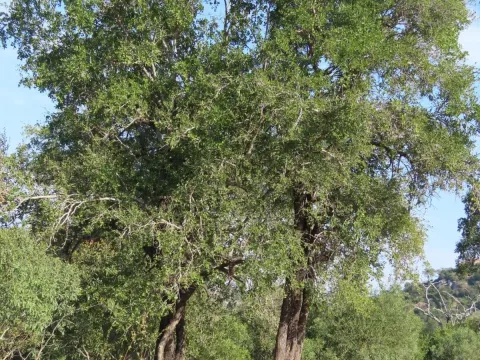
Spirostachys
Spirostachys
Spirostachys, specifically the species Spirostachys africana, is a notable member of the Euphorbiaceae family. Commonly referred to as Tamboti, this tree is indigenous to the tropical and subtropical regions of Southern Africa, thriving in diverse environmental conditions.
What the section contains

Spirostachys
The tree prefers well-drained soil types, often found in sandy savannah areas or along riverbanks. It requires significant sunlight and is highly adapted to drought-prone climates, making it an resilient choice for reforestation projects in arid regions.
Cultivation practices involve selecting sites that offer protection from frost, as young specimens are particularly vulnerable to low temperatures. Soil aeration is essential, as the roots are sensitive to waterlogging, which often leads to rapid decay in poor conditions.
The botanical structure of Spirostachys includes a dense, hard wood and a highly toxic latex. This sap acts as a chemical deterrent against most herbivores and wood-boring insects, helping the plant maintain its structural integrity in the wild.
Economically, the species is harvested for its exceptional, dark, and aromatic timber. Often marketed as African sandalwood, it is widely utilized for luxury cabinetry, fine furniture making, and artisanal carvings that require high durability and a beautiful finish.
Root rot remains the most significant threat to cultivated Spirostachys, primarily triggered by poorly managed drainage systems. Once the root system is compromised, the tree becomes highly susceptible to opportunistic soil-borne pathogens.
Wood-boring beetles present a constant threat to mature stands. These pests tunnel deep into the heartwood, significantly reducing the commercial value of the timber by creating irregular channels that ruin the wood's grain quality.
Extreme climate shifts, particularly sudden frost events, can cause severe cellular damage to the cambium layer. Even if the tree survives, these events often result in stunted growth and a prolonged recovery period for the affected specimens.
Competition from invasive fast-growing species in the seedling stage can hinder the development of young trees. Regular weeding and site maintenance are required during the first few years of growth to ensure the plant establishes dominance.
Management of these threats is often centered on preventative forestry measures. Maintaining proper stand density and monitoring soil moisture are the most effective ways to ensure the longevity of Spirostachys populations.