

Picador
ТОВ «Фабрика агрохімікатів», Черкаси, Україна
Herbicides
0
0
·
1.5K
7 offers
4.25 €per 1 l
Buy
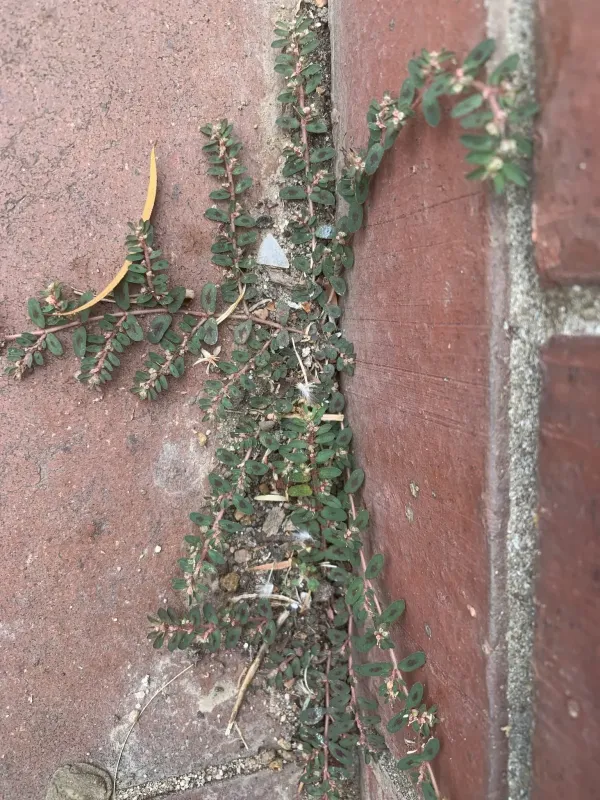
Spotted spurge (Euphorbia maculata) is a prostrate annual herb belonging to the Euphorbiaceae family. Originating in North America, this species has become a widespread invasive weed globally, thriving in both managed landscapes and agricultural fields.
The plant is easily identified by its prostrate, reddish stems that form dense mats close to the ground. Its leaves are opposite, oblong, and typically feature a dark reddish-brown spot in the center. All parts of the plant contain a milky, toxic latex that can cause irritation to skin and eyes.
Regarding environmental requirements, spotted spurge prefers full sun and well-drained soils, though it is highly adaptable to various soil types, including sandy and compacted gravelly areas. Its deep taproot grants it exceptional drought tolerance, allowing it to persist in dry conditions.
In agricultural settings, it is a significant weed in row crops, nurseries, and orchards. It competes aggressively for moisture and space, especially in the early stages of crop development, potentially reducing overall yields if left uncontrolled.
Effective management strategies include cultural practices such as mulching, frequent hoeing, and the timely application of pre-emergent or post-emergent herbicides. Preventing seed set is critical, as a single plant can produce a substantial amount of seeds that remain viable in the soil for years.
Spotted spurge acts as an alternative host for several viral diseases, which can spread to economically important crops. This vector role increases the risk of plant viral outbreaks within infested field borders.
Dense mats of this weed modify the soil surface environment, often increasing humidity levels around the base of cultivated crops. This shift in microclimate makes the crop more susceptible to fungal pathogens and stem rot infections.
The primary threat from this species is its sheer competitive ability for nitrogen, phosphorus, and water resources. In high-density infestations, spotted spurge can choke out crop seedlings, leading to significant stand losses.
Propagation occurs primarily through massive seed production. The seeds are small and easily transported by water, wind, or farm machinery, which facilitates rapid colonization of adjacent areas throughout the growing season.
Given its resilience, integrated pest management (IPM) is necessary to mitigate threats. Regular scouting and immediate removal of immature plants are essential to prevent the buildup of the soil seed bank, which is the long-term challenge for growers.