
Stenoclada euphorbia
Euphorbia stenoclada
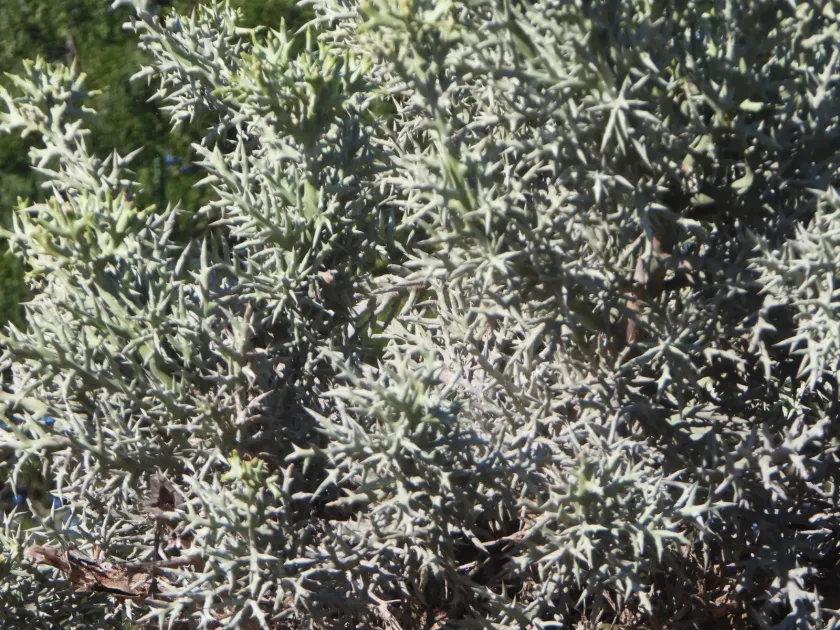
Description
Growing requirements
Euphorbia stenoclada is a remarkable succulent shrub belonging to the Euphorbiaceae family. Native to the dry, spiny forests of Madagascar, this species is highly adapted to extreme aridity and poor, rocky soils.
Botanically, the plant is distinguished by its flattened, spine-tipped, wood-like branches that perform photosynthesis in the absence of traditional leaves. These adaptations allow the plant to thrive in environments where water is scarce and solar radiation is intense.
For cultivation, success depends on providing high light intensity and excellent drainage. The substrate must be porous, mimicking the mineral-rich but nutrient-poor soils of its native habitat. A mix of sand, pumice, and gravel is ideal for container-grown specimens.
The climate requirements include high temperatures and low relative humidity. Euphorbia stenoclada is sensitive to cold and should be kept in environments where temperatures stay above 15°C (59°F). It is strictly a non-hardy plant that requires specialized greenhouse management in temperate zones.
Agricultural techniques involve deep but infrequent watering, with a significant reduction or complete cessation of water during the plant's winter dormancy. The slow growth rate necessitates a long-term perspective for commercial production and nursery propagation.
Main diseases and pests
The most significant threat to Euphorbia stenoclada is root rot caused by improper watering, specifically waterlogged soil or poor aeration. Fungal pathogens often attack the vascular system if the succulent is kept in humid and stagnant air conditions.
Pest management primarily focuses on mealybugs, which thrive in the tight crevices and spine-covered junctions of the branches. Red spider mites can also be problematic if the humidity remains excessively low and there is no air movement in the growing area.
Treatment involves targeted insecticidal applications, but extreme caution is required to prevent chemical burns on the epidermis of the stems. Biological control measures are often preferred in closed greenhouse environments to ensure plant health.
Physical injury to the succulent's stems should be avoided, as the resulting discharge of milky latex is not only hazardous to the handler but also provides an entry point for secondary bacterial infections. All pruning tools should be disinfected after use.
Because the plant contains toxic milky sap (diterpene esters), it requires careful handling. Staff should wear gloves and protective eyewear to prevent irritation caused by direct contact with the sap, which acts as a deterrent against most common agricultural pests.