
Spiny Euphorbia
Euphorbia espinosa
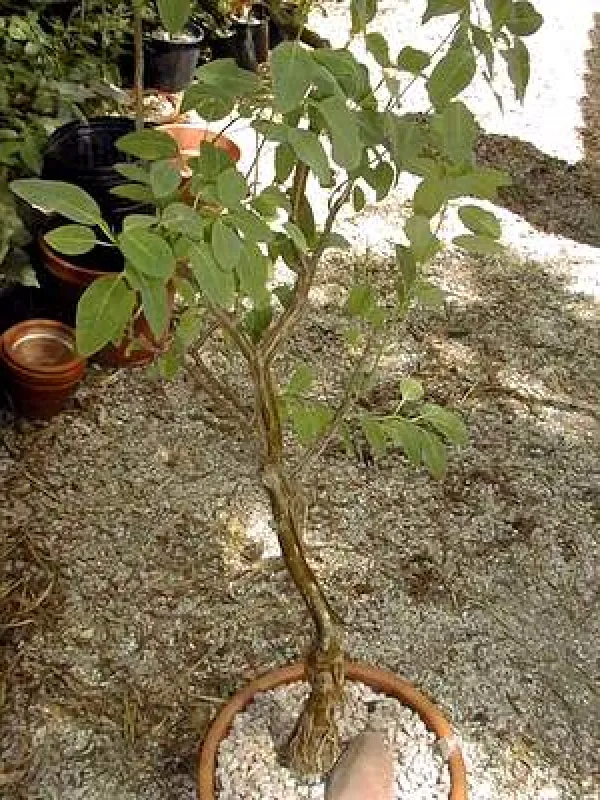
Description
Growing requirements
Euphorbia espinosa, commonly known as the spiny euphorbia, is a perennial succulent shrub belonging to the Euphorbiaceae family, native to the arid regions of Chile.
The plant is highly specialized for survival in semi-desert environments, requiring extremely well-draining, mineral-rich, and rocky substrates to thrive.
Light intensity is a critical requirement for this species; it demands full sun exposure to maintain its structural integrity and prevent etiolation of the stems.
Water requirements are exceptionally low, and the irrigation cycle must be strictly managed to mimic the erratic precipitation patterns of its natural habitat.
Maintenance involves minimal soil amendment, as the species is adapted to nutrient-poor soils; over-fertilization can often prove detrimental to its long-term health.
Main diseases and pests
Root rot, primarily caused by fungal pathogens such as Fusarium or Phytophthora, remains the most significant threat during periods of high humidity.
Poor ventilation combined with high moisture levels often triggers powdery mildew, which can compromise the photosynthetic surface of the plant.
Mealybugs are the most common insect pests, often colonizing the crevices between spines where manual removal or contact spraying is difficult.
Red spider mites can pose a risk during prolonged hot and dry periods, particularly in greenhouse settings where air movement is restricted.
Preventative measures should include maintaining a clean environment and ensuring that the substrate is completely dry before subsequent watering cycles.