
Spoon-leaved spurge
Euphorbia spathulata
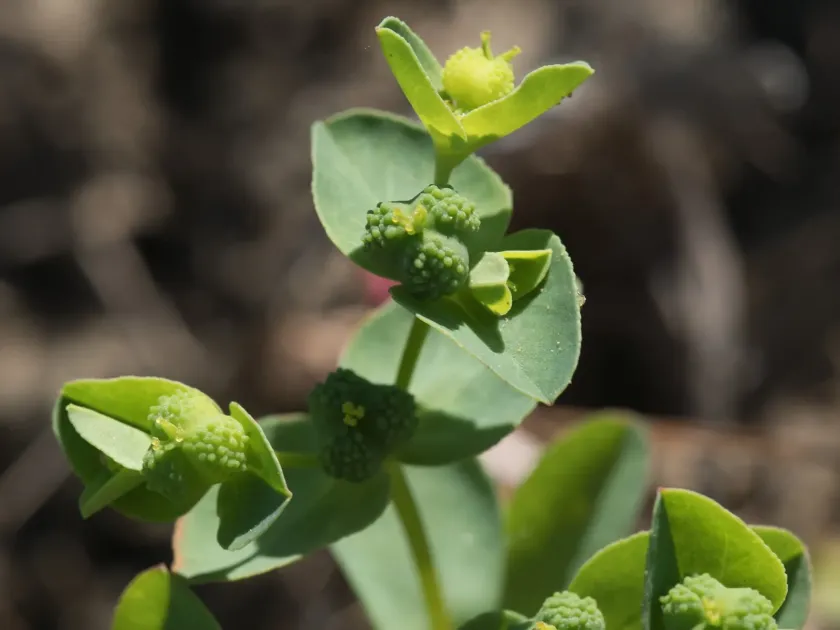
Description
Growing requirements
Spoon-leaved spurge (Euphorbia spathulata) is a member of the diverse Euphorbiaceae family. This annual herb is frequently identified as a significant weed in various agricultural cropping systems.
Native to North America, the plant has established itself in a wide range of habitats. It is commonly found in fields, pastures, and disturbed areas where soil fertility and moisture levels are favorable for rapid growth.
The plant thrives under full sunlight and prefers well-drained soil conditions. Its physiological adaptations allow it to colonize disturbed ground quickly, making it a persistent challenge for farmers in specific regions.
Botanically, Euphorbia spathulata is characterized by its spatulate leaves and its distinct milky sap. The plant typically reaches a modest height, branching from the base to maximize photosynthetic area.
From an agricultural standpoint, it acts as a competitor for light, water, and essential soil nutrients. Its presence can significantly reduce the yield of broadleaf crops if left unmanaged during the early growing season.
Main diseases and pests
The primary threat posed by spoon-leaved spurge is its prolific seed production. A single plant can generate thousands of seeds, ensuring the persistence of the weed bank in the soil for several years.
In terms of plant health, this species can host various pests and pathogens. Aphids are commonly found on the stems and leaves, potentially serving as vectors for viruses that affect primary crops like cereals or vegetables.
Typical diseases associated with this plant include fungal leaf spots and mildew, which can spread to neighboring crops in dense infestations. Early identification is crucial to minimize the secondary infection risks.
Chemical control remains the most common management strategy. Herbicide application is most effective during the seedling stage, before the plant develops complex root systems and thick, protective cuticles.
Integrated weed management programs often combine chemical applications with cultural practices, such as crop rotation and timely soil tillage. These methods work together to deplete the seed bank and suppress weed establishment.