
Star-leaf spurge
Euphorbia alsinifolia
Description
Growing requirements
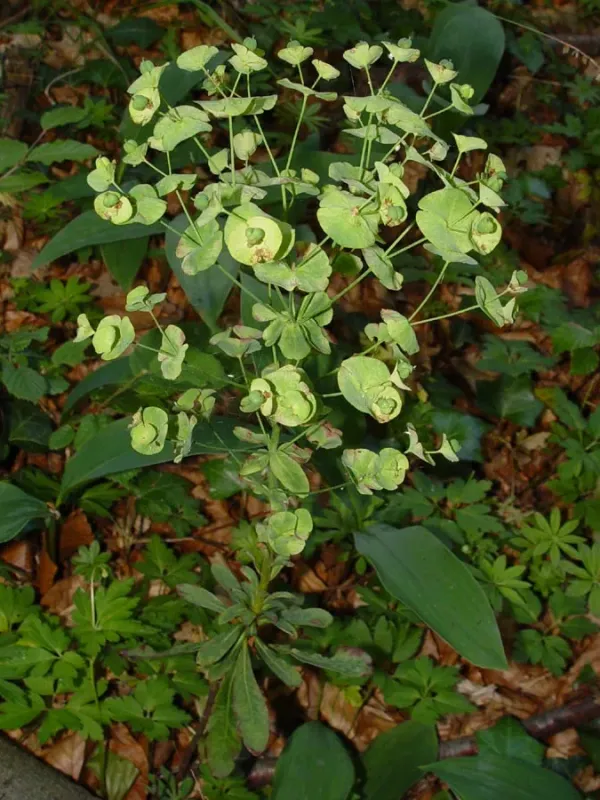
Star-leaf spurge (Euphorbia alsinifolia) is a unique species belonging to the Euphorbiaceae family. It is known for its distinct star-shaped leaves and typical spurge morphology, characterized by the presence of a milky sap within its vascular tissues.
The origin of this species is associated with temperate zones where it thrives in open, well-lit environments. It is highly adapted to soils with excellent drainage, making its cultivation dependent on selecting sites that prevent waterlogging at all costs.
Soil requirements for Euphorbia alsinifolia include a neutral to slightly acidic pH and a light, sandy, or loamy texture. Proper soil aeration is crucial to prevent the development of root rots, which the plant is susceptible to under anaerobic conditions.
Climate conditions play a vital role in the plant's life cycle. It requires sufficient solar radiation to maintain its characteristic growth pattern. Insufficient light levels often lead to etiolation and a significant decrease in the biomass production.
Agrotechnical practices involve careful moisture management. While the plant can withstand short periods of drought, consistent irrigation during the peak growing season is necessary for optimal development and maximum yield of vegetative parts.
Main diseases and pests
The primary threats to Star-leaf spurge are fungal pathogens, specifically those that target the root system in damp conditions. Maintaining strict control over soil moisture levels is the most effective preventative measure against such diseases.
Insect pests, including aphids and spider mites, are frequently encountered in cultivation areas. These pests feed on the tender tissues, potentially introducing viral pathogens or causing physiological stress to the plant population.
Integrated Pest Management (IPM) strategies are recommended to mitigate the impact of infestations. This includes the use of biological control agents and the selective application of insecticides to protect the beneficial biodiversity on the field.
Weed control is essential, especially during the seedling stage. Given that the crop is sensitive to competition, manual or mechanical cultivation between rows is recommended to ensure that the plant has access to nutrients and water.
Safety precautions are mandatory when handling this plant, as the latex found in its stems is toxic and can cause irritation. Agronomists and farm workers should always wear protective clothing to avoid skin and eye contact with the sap.