
Sebastiania pavoniana
Sebastiania pavoniana
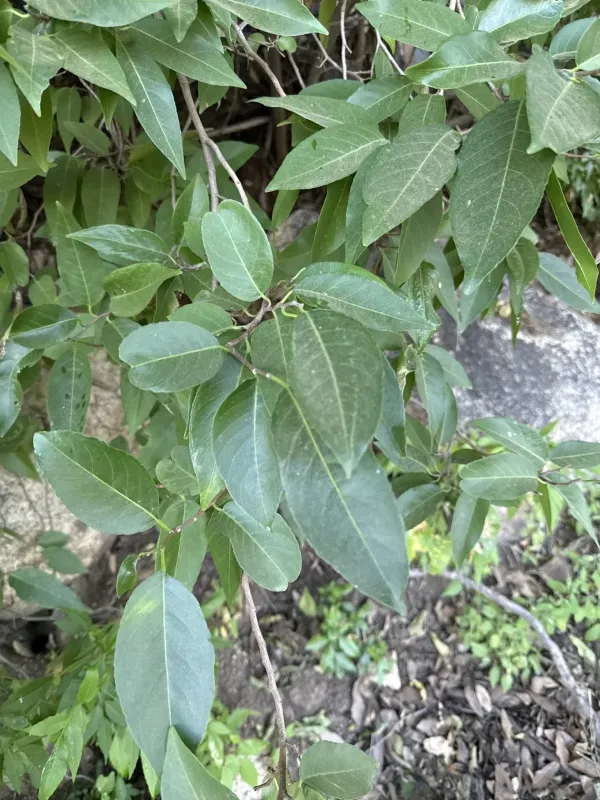
Description
Sowing dates
Propagation of Sebastiania pavoniana is typically conducted in controlled nursery environments. Seeds require high humidity and consistent warmth, preferably between 22 and 26 degrees Celsius, to achieve successful germination.
Due to the tough seed coat, manual scarification is highly recommended to improve water uptake. Seeds should be sown in a well-draining substrate rich in organic matter to support the initial growth phase.
Seedlings remain sensitive to environmental fluctuations, so keeping them in sheltered containers during the first season is essential. Regular misting helps maintain the microclimate necessary for the young plants to thrive.
Transplanting should be carefully planned to avoid root disturbance. Once the plants reach a height of 20-30 cm, they can be moved to larger pots or greenhouse beds where they can receive more stable light.
Successful sowing also depends on maintaining good sanitation practices. Using sterilized equipment and soil prevents the development of damping-off diseases, which can quickly wipe out entire batches of seedlings.
Growing requirements
As a member of the Euphorbiaceae family, this species originates from the tropical regions of Mexico. It requires a climate characterized by warm temperatures and high relative humidity throughout the year.
The ideal soil profile for this crop is a light, fertile, and slightly acidic medium. Excellent drainage is non-negotiable, as the roots are prone to rot if kept in waterlogged or heavy, clay-based soils.
In terms of light exposure, the plant benefits from bright, filtered light. While it loves the sun, excessive direct heat without sufficient humidity can lead to leaf scorching and premature drop of foliage.
Regular fertilization is beneficial for maintaining strong growth. A balanced NPK fertilizer with added micronutrients supports the production of healthy, vibrant leaves and ensures the plant remains vigorous.
Pruning is an important aspect of the plant's maintenance. Regular trimming helps manage the canopy structure, allowing better airflow through the branches, which significantly reduces the risk of fungal infections.
Main diseases and pests
The crop is occasionally susceptible to common greenhouse pests such as spider mites and mealybugs. These thrive in warm, dry conditions, making humidity control an effective preventive measure.
Fungal diseases like powdery mildew can emerge if the air circulation around the plants is inadequate. Maintaining proper spacing and timely pruning are the best strategies to keep these threats at bay.
Root rot caused by overwatering is a significant physiological threat. It often manifests through yellowing leaves and sudden wilting, indicating that the soil drainage needs immediate attention.
Occasionally, leaf spot diseases can occur during prolonged periods of high rainfall or excessive moisture. Applying organic fungicides at the first sign of symptoms can effectively contain the spread.
Monitoring the plant for signs of nutrient deficiency is also crucial. Chlorosis, or yellowing between leaf veins, often indicates a lack of iron or magnesium, which can be easily corrected with targeted soil amendments.
Harvesting
The economic value of Sebastiania pavoniana lies in its seeds, which serve as hosts for the larvae of the moth Cydia saltitans. The movement of the larva inside the seed gives it the "jumping" property.
Harvesting is performed by hand when the seed pods turn light brown and begin to show signs of splitting. This timing is critical to ensure that the larvae inside are mature enough to be active.
Once collected, the seeds must be handled gently to avoid crushing the shells. They are then placed in well-ventilated trays for a short drying period to stabilize the moisture levels before storage.
Storage requires a cool, shaded environment. Fluctuations in temperature can cause the larvae to become sluggish or emerge prematurely, which significantly reduces the commercial appeal of the product.
Properly harvested seeds are packed in breathable materials to ensure a constant oxygen supply for the living larvae. This allows the product to maintain its characteristic jumping movement for several months.