
Scordifolia spurge
Euphorbia scordifolia
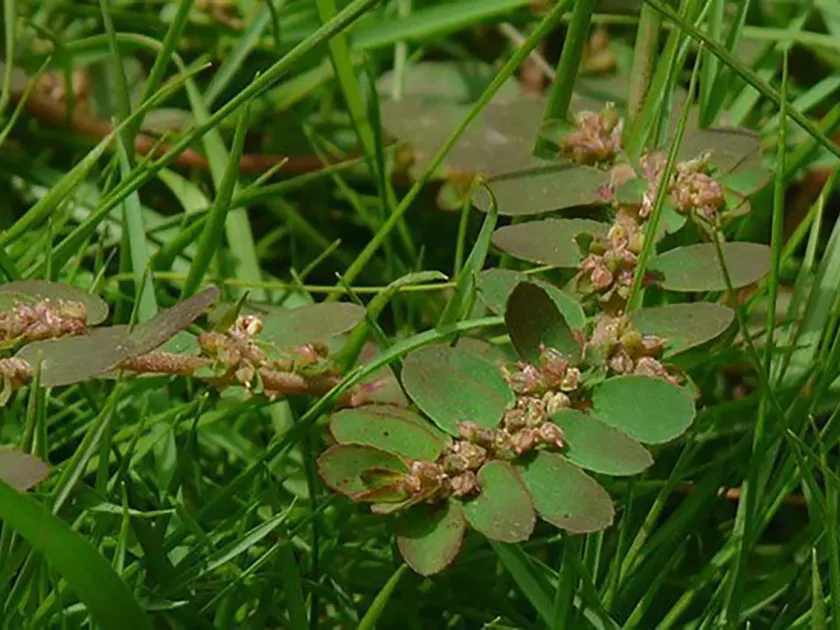
Description
Growing requirements
Scordifolia spurge (Euphorbia scordifolia) belongs to the diverse Euphorbiaceae family. It is a resilient herbaceous plant species primarily adapted to arid and semi-arid environments, which dictates its specific physiological and agronomic requirements.
For successful commercial cultivation, the plant requires well-drained soil with a sandy or gravelly structure. Soils prone to waterlogging are unsuitable, as excessive moisture in the root zone quickly triggers decay and fungal infections within the plant's succulent tissues.
The crop is highly light-demanding, thriving in full sun exposure. Adequate solar radiation is essential for maintaining the chemical integrity of the latex and stimulating the production of metabolites required for its economic and pharmaceutical utilization.
Temperature management is critical, as the plant is adapted to heat but can be sensitive to sharp fluctuations if the soil is overly saturated. Maintaining appropriate drainage is the primary defense against temperature-related stress.
Agronomic maintenance should focus on minimal nutrient intervention. High nitrogen levels tend to encourage excessive vegetative growth, which can dilute the concentration of desirable phytochemicals, therefore balanced fertilization is recommended.
Main diseases and pests
The primary threats to Scordifolia spurge are soil-borne pathogens, particularly root rot, which occurs when drainage systems are inadequate. These fungi can compromise the plant's vascular system, leading to rapid decline.
Pests such as aphids and spider mites may target the foliage during hot, dry spells. While the latex serves as a natural deterrent, large infestations require immediate intervention to preserve the leaf surface and overall plant health.
Fungal leaf spots are another significant concern, particularly when plant density is too high, preventing airflow. Managing spacing between rows is a crucial preventive measure to reduce the spread of spores during periods of increased humidity.
Nematodes represent a hidden threat in some regions, attacking the root structure and leading to stunted growth. Crop rotation with non-host species is essential for managing soil health and preventing long-term infestation.
Integrated pest management strategies should be applied to prevent the accumulation of toxic residues, ensuring that the final harvest remains suitable for its intended technical or medicinal application.