
Sebastiania bilocularis
Sebastiania bilocularis
Description
Growing requirements
Sebastiania bilocularis is a resilient perennial shrub belonging to the Euphorbiaceae family. Native to the Sonoran Desert region, this plant is remarkably adapted to harsh environmental conditions characterized by extreme heat and prolonged droughts.
This species thrives in well-drained, sandy, or rocky soils typical of its natural habitat. It requires full sunlight exposure to maintain its vigorous growth habit and is highly intolerant of waterlogged soil conditions, which can lead to rapid decline.
Botanically, the plant features slender, erect branches with narrow, lanceolate leaves designed to minimize water loss. As a member of the Euphorbiaceae family, it contains a characteristic latex-like sap that serves as a deterrent to most potential herbivores.
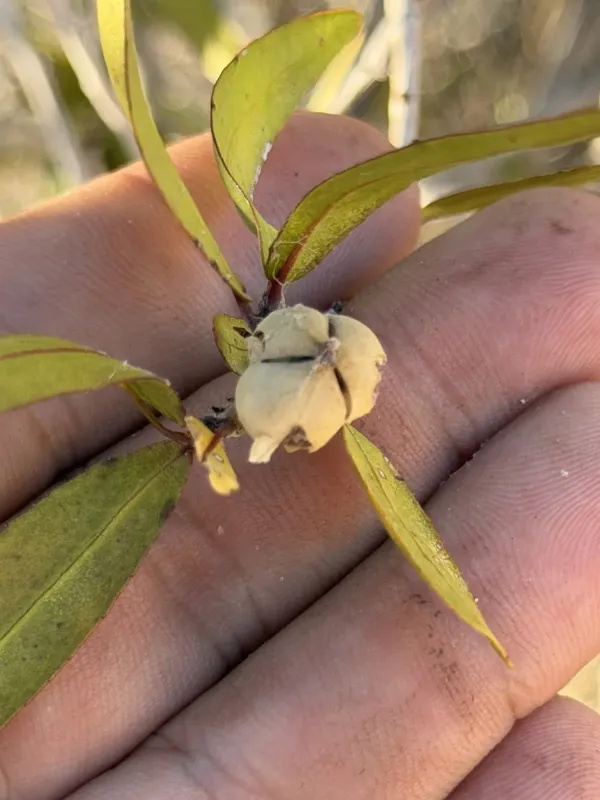
Reproductive structures include small, inconspicuous flowers leading to the development of tripartite capsules. These capsules serve as the primary mode of seed dispersal, which is critical for the plant's survival in fragmented desert environments.
Agricultural and environmental interest in this plant focuses on its potential as a pioneer species for soil stabilization and desertification control. Its ability to survive with minimal irrigation makes it a candidate for sustainable xeriscaping projects.
Main diseases and pests
Sebastiania bilocularis is generally resistant to many common agricultural diseases due to its chemical defenses. However, in artificial cultivation settings where drainage is poor, root rot caused by fungal pathogens remains the primary concern.
Insect pests are rarely a major issue, though some generalist feeders may target the foliage during periods of environmental stress. Maintaining optimal soil aeration and avoiding excessive overhead irrigation are the best strategies for ensuring plant health.