
Sebastiania klotzschiana
Sebastiania klotzschiana
Description
Growing requirements
Sebastiania klotzschiana is a member of the Euphorbiaceae family, native to the tropical and subtropical regions of South America. It is commonly found in riparian forests and humid environments throughout Brazil, Argentina, and Paraguay.
The species thrives in warm climates and requires consistent high humidity levels for optimal growth. It is particularly well-adapted to alluvial soils near riverbanks, showing a remarkable tolerance for waterlogged conditions that would inhibit other woody species.
For successful cultivation, the plant requires deep, nutrient-rich soils with good aeration. While it is tolerant of moisture, proper drainage is essential to prevent the accumulation of stagnant water around the root system during the dormant period.
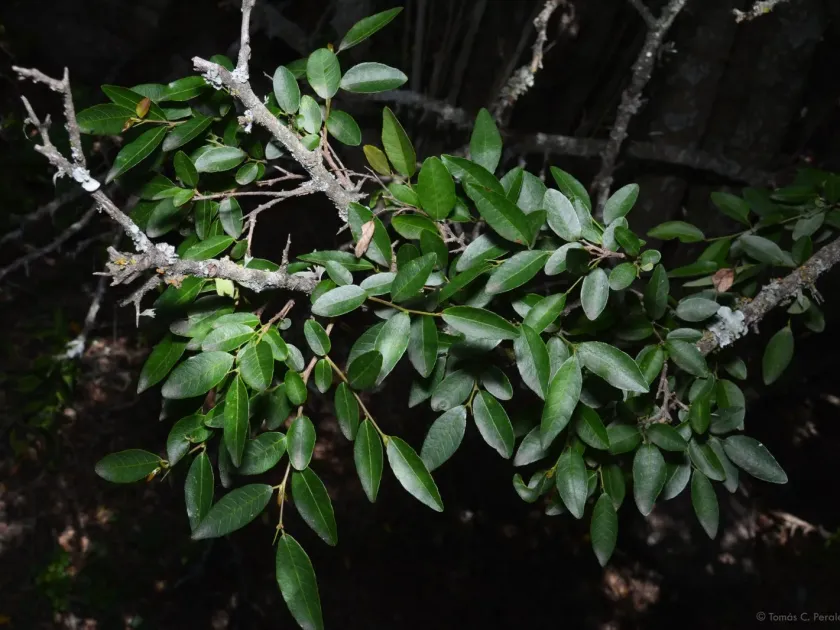
Botanically, it presents as a tree or large shrub with distinct lanceolate leaves and a milky latex circulating throughout the plant tissues. The morphology reflects its adaptation to competitive forest environments, where light capture and water management are critical.
Economically, this plant is utilized in reforestation projects and bank stabilization efforts. Its wood quality is valued for specific carpentry uses, while its fast-growing nature makes it an interesting subject for agroforestry systems in its native range.
Main diseases and pests
Fungal pathogens represent the primary threat to Sebastiania klotzschiana, especially in regions with excessive rainfall or poor air circulation. These pathogens can lead to leaf spots and stem rot if left unmanaged.
Insect pests, including various mites and sap-sucking insects, often target the foliage during the peak growing season. Regular inspections are necessary to detect early infestations before they spread across the plantation.
Mechanical damage during maintenance can serve as an entry point for opportunistic pathogens. It is recommended to use sanitized tools when performing any pruning to minimize the risk of secondary infections.
Nutritional imbalances in the soil can lead to physiological stress, making the tree more susceptible to secondary pests. Maintaining a balanced soil profile is a key preventive measure in effective crop management.
Integrated pest management (IPM) strategies, which prioritize biological control and habitat manipulation, are recommended for large-scale plantings to ensure long-term health and productivity of the species.