
Schimper's Spurge
Euphorbia schimperiana
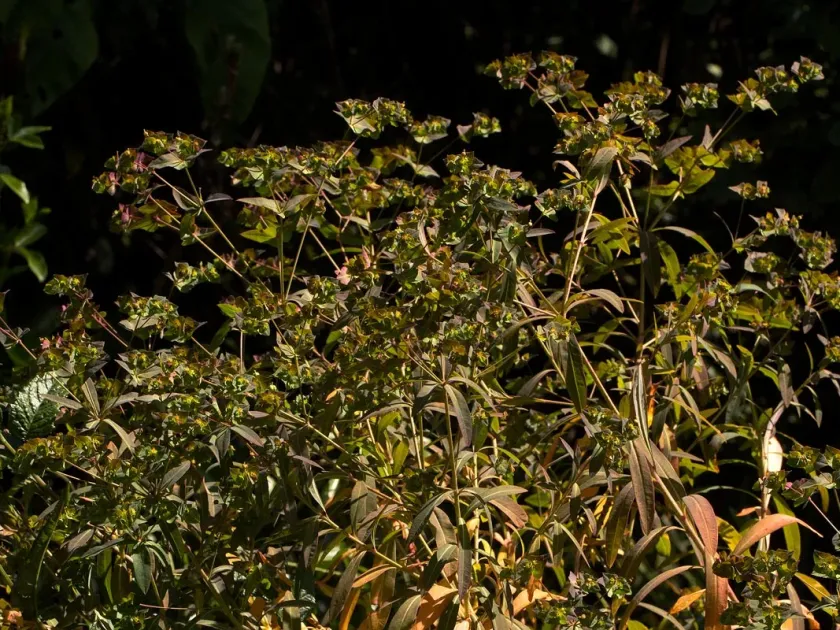
Description
Growing requirements
Schimper's Spurge (Euphorbia schimperiana) is a member of the diverse Euphorbiaceae family. This perennial species often presents as a herbaceous plant or a small, resilient shrub native to arid regions.
The natural habitat of this species spans areas of North-East Africa and the Arabian Peninsula. It is highly adapted to rocky slopes and dry, sun-drenched environments where rainfall is sporadic.
This plant is an obligate heliophile, requiring full sun to thrive and maintain its structural integrity. Inadequate light levels will lead to etiolation, significantly weakening the plant's physiological condition.
Soil requirements are focused on drainage. Euphorbia schimperiana performs best in sandy or gravelly soil mixes that prevent root rot, a common fatal issue for this species in cultivation.
The economic value of this plant is primarily linked to phytochemical research, as its latex contains complex compounds that have potential applications in specialized botanical industries.
Main diseases and pests
Root rot, driven by stagnant moisture in the substrate, remains the primary threat to the vitality of Euphorbia schimperiana throughout its growth cycle.
The plant is susceptible to powdery mildew, which can colonize the leaves and stems if the ventilation is poor and humidity levels remain consistently high.
Common agricultural pests such as mealybugs and spider mites represent a constant challenge, as they thrive in the same arid conditions the plant prefers.
Effective management requires a strict drying-out period between watering cycles and the application of systemic fungicides if fungal presence is detected.
Prevention of pest outbreaks is best achieved through regular monitoring and maintaining optimal spacing between plants to ensure consistent air circulation.