
Paracroton zeylanicus
Paracroton zeylanicus
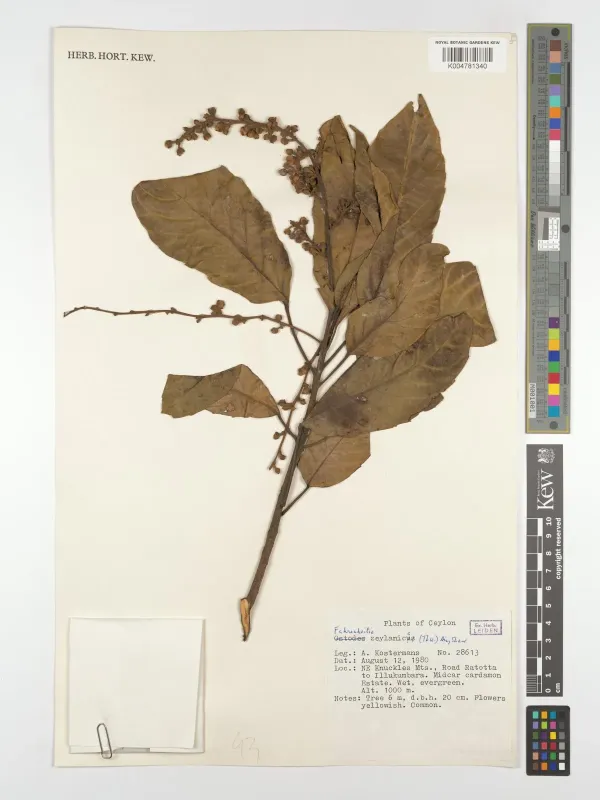
Description
Sowing dates
Paracroton zeylanicus is a notable species within the Euphorbiaceae family, recognized for its specific physiological adaptation to tropical climates. Propagation is generally achieved through seeds, which require specific moisture conditions for germination.
In a nursery setting, seeds are sown in a light, nutrient-rich substrate to ensure the initial development of the root system. Proper depth of sowing and substrate aeration are critical to preventing seed decay due to excessive soil moisture.
Seedlings are nurtured under controlled lighting conditions, as direct, harsh sunlight can damage the sensitive foliage during the early developmental phases. Gradual exposure to sunlight is recommended before moving the plants to permanent field locations.
Field planting timing is aligned with the onset of the wet season, which provides a natural moisture buffer for the young trees. This period allows the plants to establish a firm root structure before any potential drier spells occur.
Planting density is carefully calculated based on the expected canopy spread of the adult trees. Adequate spacing is essential for resource management and long-term sustainability of the plantation, ensuring each plant has sufficient access to sunlight and airflow.
Growing requirements
This species thrives in high-humidity environments typical of tropical forests. It requires a stable temperature range between 22°C and 30°C throughout the year, as it is highly susceptible to thermal shock caused by extreme fluctuations.
Soil requirements for Paracroton zeylanicus include well-draining, fertile loam. The plant is sensitive to waterlogging, so soil structure must allow for efficient drainage while maintaining enough moisture for metabolic activities.
Adequate water supply is crucial, often supplemented by irrigation systems in regions with inconsistent rainfall. Maintaining a stable soil moisture level is key to fostering the growth of healthy, robust plants that are capable of reaching their maximum potential.
Nutrient management involves the application of organic matter and balanced NPK fertilizers. Because the plant is an active grower in the right environment, providing access to micronutrients through the soil is important for leaf health and structural integrity.
Light requirements evolve with the plant's age. While juvenile plants prefer shade, mature individuals are better adapted to partial sun, which supports the photosynthesis necessary for biomass accumulation in the upper crown layers.
Main diseases and pests
The primary threats to Paracroton zeylanicus involve fungal pathogens that target the root system or the bark, especially when the plant is stressed by suboptimal growing conditions or poor air circulation.
Pest populations such as scale insects and mealybugs can pose a significant challenge. These pests feed on sap, which weakens the plant's structural development and can lead to secondary infections caused by the opportunistic fungal growth on the secreted honeydew.
Defoliating insects, including various types of caterpillars, can rapidly compromise the tree's health by removing large portions of the canopy. Integrated pest management strategies are advised to keep these populations under control without harming biodiversity.
Preventative maintenance includes the strategic pruning of crowded or dead branches to ensure good airflow. Reducing humidity traps within the canopy is a very effective way to minimize the incidence of foliar diseases.
Regular monitoring of the plantation is essential for early detection of potential threats. Rapid response to isolated pest outbreaks or early symptoms of disease can prevent larger economic losses and maintain the overall vigor of the crop.