
Peking spurge
Euphorbia pekinensis
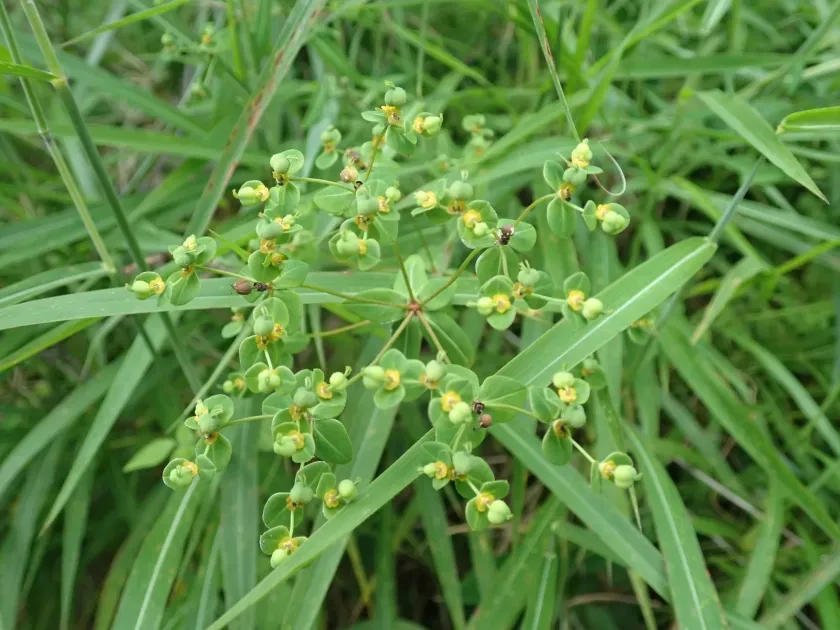
Description
Growing requirements
Peking spurge (Euphorbia pekinensis) is a herbaceous perennial belonging to the family Euphorbiaceae. Originally native to East Asia, including regions of China, Korea, and Japan, it is highly valued for its distinct phytochemical profile and use in traditional medicinal practices.
The crop requires well-drained soil conditions to thrive, preferring a sandy loam or loamy soil texture with neutral pH levels. It is critical to ensure that the site has excellent drainage, as waterlogging is the primary cause of root failure in this species.
Regarding climatic demands, Euphorbia pekinensis prefers temperate environments with high solar radiation. While it displays resilience to varying temperatures, it thrives best when exposed to direct sunlight for the majority of the day to support its physiological development.
Agricultural management involves routine mechanical weeding and soil aeration to prevent compaction. Proper fertilization programs should focus on balanced nutrient supply, particularly during the early vegetative stages to establish a strong root system, which is the primary economic component of the plant.
The economic focus for Peking spurge is on the harvest of its roots, which are processed into specialized herbal extracts. Growers must strictly adhere to harvest timelines to maximize the concentration of active therapeutic compounds within the root mass.
Main diseases and pests
Peking spurge is susceptible to common plant pathogens including root rot and powdery mildew. Effective management involves maintaining optimal plant spacing to improve air circulation and implementing strict irrigation protocols to avoid moisture excess in the root zone.
Insect pests such as spider mites and aphids are known to occasionally infest the crop. Integrated Pest Management (IPM) strategies, utilizing both cultural controls and targeted application of safe acaricides or insecticides, are recommended to protect the yield quality.