
Patagonian spurge
Euphorbia patagonica
Description
Growing requirements
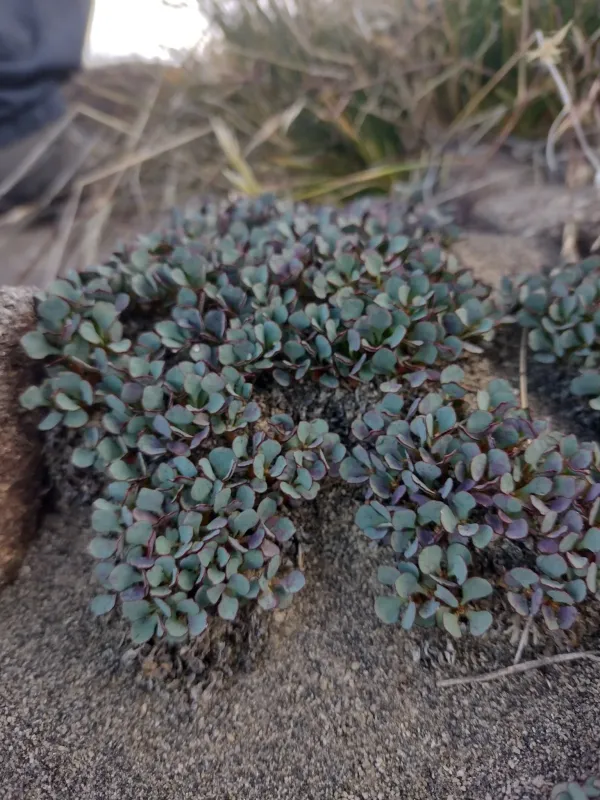
Patagonian spurge (Euphorbia patagonica) is a perennial herbaceous plant belonging to the Euphorbiaceae family. It is native to the arid, steppe, and semi-desert regions of Patagonia, where it has evolved to survive under severe environmental constraints and nutrient-poor soils.
The cultivation of this species requires well-drained, porous soils, typically of a sandy or stony texture. Adequate drainage is the most critical factor, as stagnant water is fatal for this plant and can lead to rapid decay of the root system during the dormant period.
This crop is strictly heliophilic, meaning it requires full exposure to direct sunlight throughout the day to sustain its biological processes. Shaded conditions lead to weak, etiolated growth and decrease the plant's natural resistance to environmental stress.
Euphorbia patagonica thrives in arid and semi-arid climates, demonstrating high tolerance to heat and moisture deficiency. It utilizes its deep taproot system to access moisture at lower soil depths, making it a potentially useful species for low-input agricultural landscapes.
Management practices for this culture are simple: it requires very little irrigation and virtually no fertilizer application. Over-fertilization, especially with nitrogen, negatively impacts the plant's health by making it more susceptible to environmental diseases and winter damage.
Main diseases and pests
Root rot is the primary threat to the stability of Patagonian spurge plantations. It is almost exclusively caused by excessive soil moisture or a high water table, which prevents the roots from accessing sufficient oxygen, leading to physiological collapse.
Pests such as aphids and spider mites can infest the foliage, particularly during hot and dry spells. While the toxic milky latex serves as a natural deterrent for many herbivores, these small insects can still cause significant damage to young, developing tissues.
Powdery mildew is a common fungal threat when plants are grown too close together, limiting airflow. Proper spacing during planting is essential to ensure that leaves dry quickly after rainfall or heavy dew, thereby minimizing the risk of fungal infection.
To maintain crop health, regular inspection of the field is necessary. Monitoring for early signs of disease, such as leaf discoloration or wilted tips, allows for quick intervention, which is usually limited to targeted removal of affected plant parts.
Good agricultural practice involves maintaining clean rows and controlling competitive weeds, which could harbor pests or pathogens. Using certified seed material and maintaining biodiversity within the field are effective strategies to prevent widespread outbreaks of threats.