
Sand spurge
Euphorbia sabulicola
Description
Growing requirements
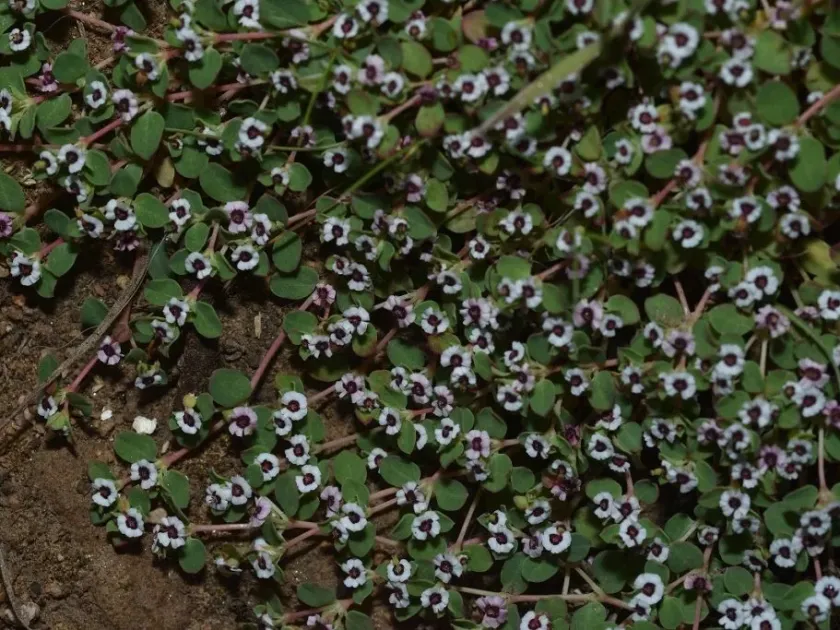
Sand spurge (Euphorbia sabulicola) belongs to the Euphorbiaceae family. It is a perennial herbaceous plant biologically specialized for growth in sandy and nutrient-poor soils, demonstrating remarkable resilience to harsh environments.
The plant originates from arid regions characterized by high solar radiation and low precipitation levels. Its root system is highly adapted to sandy substrates, allowing the plant to reach deep-seated moisture sources during prolonged drought periods.
Optimal growth conditions require well-drained, loose sandy or sandy-loam soils. It is critical to maintain low moisture levels in the root zone, as excessive soil humidity leads to rapid decay and root rot, which are common issues in improper soil management.
This species is a strong heliophyte that demands high light intensity. It thrives in open fields where sunlight is unobstructed, as it relies on high temperatures to fuel its metabolic processes throughout the growing season.
The cultivation practice should focus on minimal soil disturbance to preserve the fragile structure of sandy habitats. Weed control is essential during the establishment phase, as the plant grows slowly and requires space to develop its root architecture effectively.
Main diseases and pests
The primary threats to Euphorbia sabulicola are fungal infections, specifically root rot pathogens that proliferate in waterlogged conditions. Preventing water accumulation is the most effective way to avoid these physiological and pathological stresses.
Insect pests such as aphids often colonize the succulent shoots of the plant. In extreme heat, spider mites may also pose a threat, though their population is usually controlled by the plant's natural chemical defenses.
Integrated Pest Management (IPM) is recommended for commercial cultivation. This involves regular scouting for pest populations and prioritizing biological control agents over broad-spectrum chemical interventions.
The plant produces a characteristic milky latex that acts as a natural deterrent against various herbivores and biting insects. This chemical defense mechanism significantly reduces the dependency on synthetic insecticides for routine crop protection.
To ensure healthy yields, it is crucial to start with disease-free seeds and maintain proper plant spacing. This promotes better air circulation within the canopy, reducing the humidity levels that favor the development of fungal spores.