
Round-leaf spurge
Euphorbia orbiculata
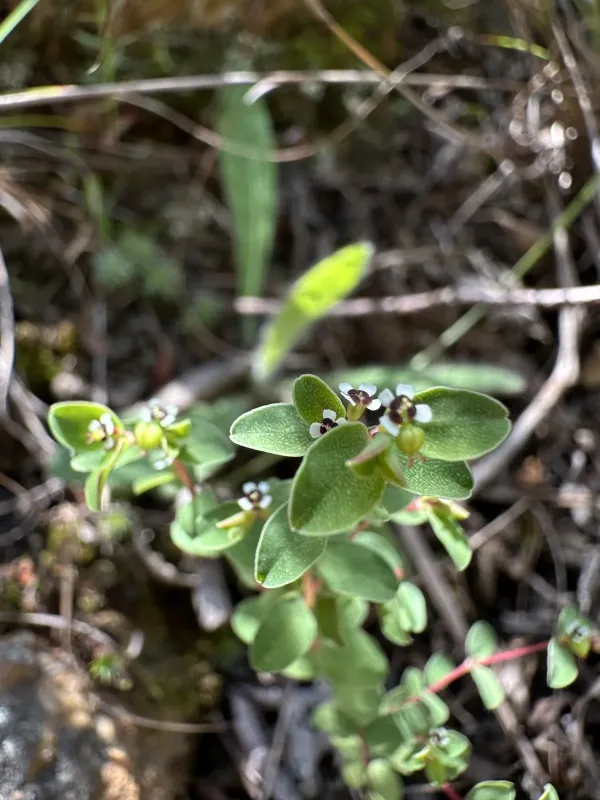
Description
Growing requirements
Round-leaf spurge (Euphorbia orbiculata) is a unique species belonging to the Euphorbiaceae family. This perennial plant is known for its distinctive orbicular leaf structure and its complex chemical profile involving latex, which serves as a natural defensive mechanism.
The plant originates from arid environments, naturally adapting to harsh conditions with high solar radiation and sporadic rainfall. Successful cultivation requires well-draining, porous soil, typically consisting of a mix of sand, grit, and organic matter to prevent root suffocation.
Light intensity is the most critical factor for the structural integrity of the plant. Euphorbia orbiculata thrives in full sunlight, and lack of exposure will lead to abnormal stretching and weakening of the stems, effectively reducing the plant's aesthetic and biological value.
The optimal temperature range for metabolic activity falls between 22 and 30 degrees Celsius. It is essential to maintain consistent heat while providing ventilation to simulate the natural airflow of its native habitat, thus preventing stagnant pockets of humidity.
Regarding water management, the species requires an infrequent but thorough watering regimen during the active growth season. It is vital to allow the soil to dry out significantly between watering events to mimic natural drought cycles and avoid moisture-related pathologies.
Main diseases and pests
Root rot, primarily caused by species of Phytophthora or Pythium, remains the most significant threat to Euphorbia orbiculata. These pathogens thrive in waterlogged conditions, rapidly compromising the root system and causing irreversible damage.
Pest pressure is frequently dominated by sap-sucking insects. Spider mites are particularly problematic in dry environments, while mealybugs often hide in the crevices of the stem or at the base of the leaves, causing severe stress and transmitting viral infections.
Mechanical damage to the succulent tissue releases latex, which, while toxic to many insects, also exposes the interior of the plant to secondary fungal infections. Maintaining physical integrity is crucial for long-term health.
Integrated pest management (IPM) protocols should be implemented to minimize chemical exposure. Regular inspection of the foliage and root zone, combined with quarantine measures for new introductions, significantly reduces the likelihood of catastrophic infestations.
Environmental stress, such as sudden cold snaps or excessive humidity, acts as a precursor to disease outbreak. Providing a stable environment remains the most effective defense strategy for maintaining the health of this agricultural and botanical specimen.