
Russian spurge
Euphorbia rossica
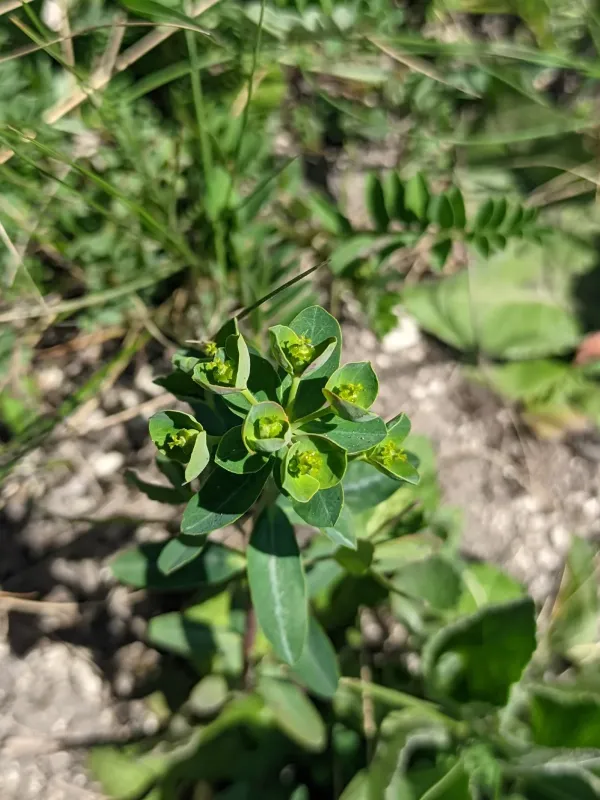
Description
Growing requirements
Russian spurge (Euphorbia rossica) is a perennial herbaceous plant belonging to the Euphorbiaceae family. This species is known for its remarkable adaptability to harsh steppe environments and specific metabolic pathways.
The plant originates from the Eurasian steppe and forest-steppe zones. Its natural habitat includes open, sunny spaces with well-drained soils, where it has evolved to withstand significant temperature fluctuations and prolonged dry spells.
Botanically, it is characterized by its deep taproot system and the presence of milky latex in the stems and leaves. The foliage is typically narrow and leathery, an adaptation that significantly reduces water loss through transpiration.
Agro-cultivation requires specific soil conditions, prioritizing light-textured, loamy or sandy substrates. It is essential to ensure that the site has excellent drainage, as the species is highly sensitive to root asphyxiation caused by waterlogging.
As a light-demanding culture, Russian spurge requires full sun exposure for optimal vegetative development. In agricultural settings, it demonstrates strong winter hardiness and can endure severe freezing temperatures without compromising its root system.
Main diseases and pests
Euphorbia rossica is generally resistant to many common pests due to the chemical composition of its latex, which serves as a potent deterrent. However, under intensive farming conditions, it can still face specific challenges.
Fungal diseases, particularly powdery mildew and various leaf spots, represent the primary phytopathological risks. These are often triggered by improper aeration or high humidity levels within the plant canopy.
Insects like mites and certain sap-sucking species may occasionally target the younger tissues. Nevertheless, the severity of such infestations is usually low due to the plant's natural defensive compounds.
Preventive agricultural management involves ensuring adequate plant spacing to facilitate airflow, which effectively mitigates the risk of fungal outbreaks. Monitoring soil drainage remains the most crucial aspect of disease prevention.
If chemical intervention is required, it must be performed with precision to avoid disrupting the local ecological balance. Biological controls and the maintenance of soil health are preferred strategies for ensuring the longevity of the stand.