
Sand spurge
Euphorbia arenaria
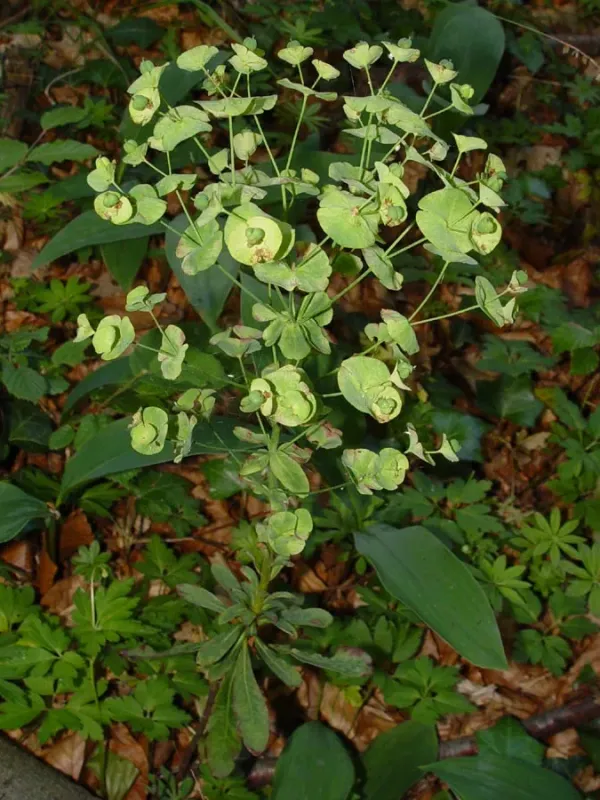
Description
Sowing dates
Sand spurge (Euphorbia arenaria) is a member of the Euphorbiaceae family. This perennial herbaceous plant is known for its resilience and ability to thrive in challenging sandy environments where other vegetation often fails.
Sowing should ideally take place in early spring once the soil temperature is consistently high enough to support germination. This ensures the plant has a full growing season to establish its roots before winter.
The seeds require a shallow sowing depth, typically 2–3 cm, into well-drained sandy soil. Proper preparation of the seedbed is essential to ensure uniform emergence and to minimize initial competition from weeds.
Maintaining an appropriate sowing rate is critical. Overcrowding can lead to stunted growth, while sparse seeding may allow weeds to establish themselves in the gaps between the spurge plants.
Post-sowing compaction is a recommended practice to improve soil-to-seed contact. This moisture retention technique is particularly important in regions with erratic rainfall patterns during the early development phase.
Growing requirements
The crop is highly adapted to nutrient-poor soils, making it an excellent choice for marginal land reclamation. It requires minimal inputs compared to conventional agricultural crops, focusing on sustainable yields.
Full sun exposure is vital for the optimal development of sand spurge. The plant utilizes intense light to fuel its photosynthetic processes, leading to robust vegetative growth.
Drainage is the most important soil factor. While the plant tolerates sand, it is highly sensitive to waterlogged conditions, which can lead to rapid decay of the root structure.
Moderate temperatures are preferred for vegetative growth. However, the plant exhibits significant drought tolerance, allowing it to maintain metabolic functions during prolonged dry spells.
Field maintenance involves basic weeding during the first year of establishment. Once the crop forms a dense canopy or root network, it becomes naturally resistant to encroachment by other plant species.
Main diseases and pests
Root rot caused by fungal pathogens is the most common health issue. This usually occurs when the soil remains too wet for extended periods, stressing the root system and inviting decay.
Aphids are the primary pests that affect sand spurge, feeding on the tender apical meristems and new leaves. Severe infestations can cause leaf curl and reduce overall plant vigor.
Integrated Pest Management (IPM) strategies are recommended to keep damage below economic thresholds. This includes the use of beneficial insects and, where necessary, targeted application of soft pesticides.
Crop rotation remains the most effective prophylactic measure. By moving the cultivation site every few years, farmers can prevent the build-up of host-specific soil pests and diseases.
Routine monitoring of the field is crucial. Early detection of necrotic spots on the foliage or unusual drooping can prevent localized issues from spreading to the entire crop area.