
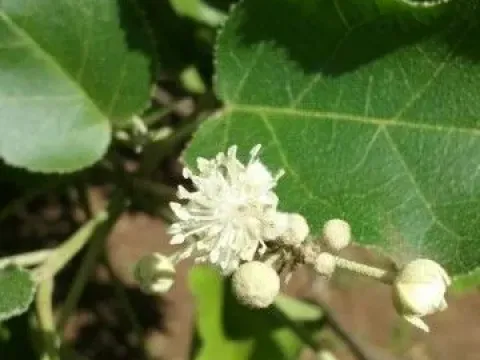
Mauritian croton
Croton mauritianus
The Mauritian croton (Croton mauritianus) is a perennial shrub belonging to the Euphorbiaceae family. This species is native to the Mascarene Islands, where it thrives in specific dry-forest ecosystems, displaying a high level of endemism.
What the section contains
Mauritian croton
The crop requires tropical climatic conditions, characterized by stable warm temperatures and significant sunlight exposure. It is highly adapted to well-drained soils, typically rocky or sandy, which prevent waterlogging and facilitate healthy root development.
Agricultural management involves careful irrigation, especially during early growth stages. While the plant shows moderate drought tolerance, consistent moisture levels are essential for optimal foliage development and the accumulation of secondary metabolites within the plant tissues.
Botanically, Croton mauritianus is known for its distinct morphology, featuring characteristic leaves and inflorescences typical of the genus. Its growth habit allows it to integrate well into native landscapes, contributing to the structural biodiversity of the local ecosystem.
The economic and research interest in this plant is primarily pharmaceutical. Researchers study the chemical profile of the plant for potential therapeutic applications, reflecting the ongoing global effort to understand and preserve the unique biodiversity of island flora.
Primary threats to Croton mauritianus include fungal infections such as powdery mildew and various root rots, often induced by prolonged periods of excessive humidity. Ensuring adequate air circulation around the plants is crucial for disease prevention.
Insect pests, including whiteflies and spider mites, can pose significant challenges to both nursery and field-grown plants. Integrated pest management strategies, focusing on early detection and biological control methods, are highly recommended to protect the crop.