
Mercurialis huetii
Mercurialis huetii
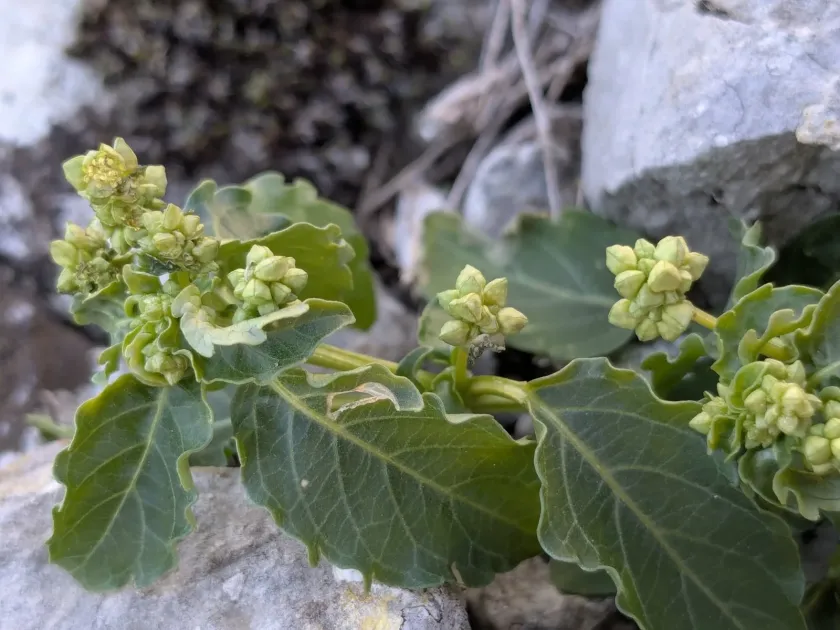
Description
Sowing dates
The sowing dates for Mercurialis huetii are strictly dependent on soil temperature. Early spring is considered the ideal time, as the seeds require a consistent environment to break dormancy and emerge uniformly.
Autumn planting is also practiced, where seeds are sown just before the ground freezes. This method exposes the seeds to natural stratification, which often results in more robust seedlings during the following season.
The recommended sowing depth is 1 to 2 centimeters. Light compaction of the soil surface immediately after seeding is essential to ensure proper moisture retention and firm contact between the soil and the seed coat.
Seedling emergence typically occurs within 15 to 20 days. Maintaining steady soil moisture during this period is vital, as the delicate root systems of young plants are highly susceptible to desiccation.
For commercial production, a row spacing of approximately 30 centimeters is ideal. This configuration facilitates efficient mechanical weeding and ensures adequate space for the canopy to develop without overcrowding.
Growing requirements
Mercurialis huetii belongs to the Euphorbiaceae family and exhibits specific preferences for light and shade. While it tolerates full sun with adequate hydration, it thrives best in partial shade, mimicking its natural forest-edge habitat.
The crop requires fertile, well-draining soil with a pH ranging from neutral to slightly alkaline. Waterlogged conditions must be avoided at all costs, as they significantly increase the risk of root rot pathogens.
Climatic requirements focus on moderate humidity levels. Extreme heat or prolonged drought can stress the plants, necessitating the use of irrigation or protective mulch to stabilize the root zone temperature.
Regular cultivation of the soil between rows is necessary to improve aeration. Organic mulch application is highly recommended to suppress weed growth while simultaneously improving the soil's organic matter content over time.
As a member of the spurge family, the plant has unique biological traits that necessitate careful handling. Proper site selection and crop management are key to achieving high-quality biomass production.
Main diseases and pests
Fungal diseases are the primary threat, particularly in poorly ventilated or excessively humid conditions. Root rot and damp-off are common issues that can rapidly diminish plant stands if drainage is compromised.
Pests such as aphids and spider mites frequently target the succulent growth of the plant. Monitoring should be conducted weekly, especially during warmer, drier spells when pest pressure is highest.
Preventative measures include maintaining clean rows and ensuring good air circulation around the plants. Avoiding overhead irrigation can also reduce the incidence of foliar diseases like powdery mildew.
In cases of severe infestation, targeted biological controls or appropriate organic pesticides may be employed. Always ensure that any treatment used complies with local agricultural safety standards for the crop.
Soil-borne pathogens, including nematodes, may occasionally affect plant vigor on light, sandy soils. Implementing a sound crop rotation schedule is the best strategy to mitigate these persistent soil health risks.